Drug companion protocol
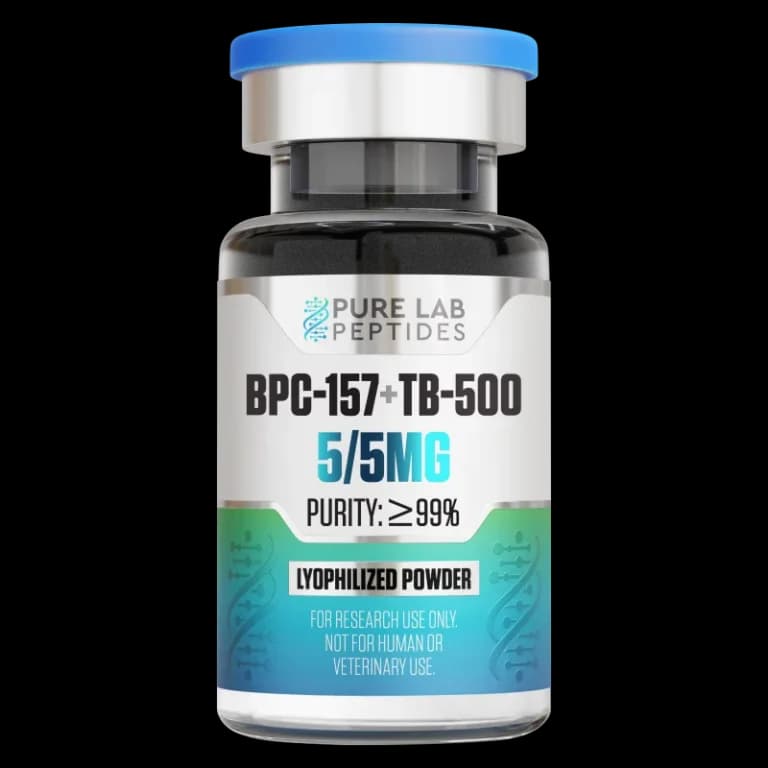
BPC-157
Synthetic gastric-derived peptide investigated in regeneration and GI models.
Quickstart Highlights
- Drug class
- See companion content
- Route
- See prescribing information
- Schedule
- Individualised by prescriber
- Evidence score
- 18
Quickstart highlights
- 📋Prescription required
How this works
Mechanism of action and pharmacokinetic profile from published data.
BPC-157 (Body Protection Compound-157) is a synthetic pentadecapeptide derived from a protein found in gastric juice. In preclinical (animal and cell) models, it has been shown to interact with growth-factor signalling pathways, promote angiogenesis, modulate nitric oxide systems, and demonstrate gastroprotective and wound-healing effects. The precise mechanism in humans is not established — the preclinical findings have not been replicated in rigorous clinical trials, and the translation from rodent studies to human outcomes cannot be assumed.
- Time to peak (Tmax)
- Not characterised from human pharmacokinetic studies.
- Clearance
- Not characterised in humans. Peptide degradation by plasma and tissue proteases is expected.
- Elimination half-life
- Not formally established in humans. Animal data suggest a short half-life for the native peptide; stability in plasma is limited.
- Bioavailability
- Route matters: subcutaneous administration is used in most animal studies. Oral bioavailability of intact peptide is unknown and expected to be low due to GI proteolysis.
Dosing overview
Structured dosing phases exposed through the public drug API.
No approved human protocol
| Phase | Dose | Frequency | Guidance |
|---|---|---|---|
| No approved dose Week 0+ | Protocol specific | See source | No regulator-approved human dosing or escalation schedule exists. Do not treat online dose tables as validated medical protocols. |
Clinical Benefits & Side Effects
Observed outcomes, adverse effects, and lifecycle considerations from published trial data.
Benefits
No approved human dosing protocol exists
BPC-157 has not been tested in adequately powered human clinical trials. There is no approved dose, escalation schedule, or monitoring protocol. Any dosing information circulating online derives from animal studies or anecdote.
First dose — getting started gently
This is your first week, and it's completely normal to feel a little uncertain. You may notice mild sensations at the injection site, or feel slightly off as your body gets acquainted with something new. There's nothing to expect to 'see' yet — this week is simply about following your prescriber's instructions and building a consistent routine.
Settling in, staying consistent
By now you're getting more comfortable with the administration process. Some people notice mild fatigue or a subtle shift in how their stomach feels — this is your body adjusting. Keep going, stay hydrated, and don't be discouraged if nothing dramatic has changed yet.
Routine takes shape, early awareness
Week three is about making this part of your daily rhythm. You might start noticing small changes in how your gut feels day-to-day, though this varies a lot between individuals. Be patient with yourself — early weeks are about adjustment, not transformation.
Animal models, not human evidence
Animal studies have shown effects on wound healing, tendon/ligament repair, GI injury, and joint inflammation — but these models do not reliably predict human outcomes. Human trials of adequate quality have not been completed.
One month in — reflect and stay the course
You've made it to the end of your first month — that's a real achievement. Visible results are unlikely at this stage, and that's completely expected. The foundation is being laid; focus on consistency, sleep, nutrition, and checking in with your prescriber as scheduled.
Tuning in to subtle body signals
Some people begin to notice subtle shifts in their digestive comfort or general wellbeing around this point. These changes can be easy to miss, so it's worth keeping a simple journal. Continue following your prescriber's instructions on dosing and don't adjust anything without their guidance.
Building momentum, staying mindful
Week six is a good time to take stock of your lifestyle habits — how is your sleep, hydration, and protein intake? Supporting your body with good fundamentals will help you get the most from this period. If you're experiencing any ongoing discomfort, raise it with your prescriber.
Side effects
unspecified
Lifecycle factors
The evidence base is preclinical only
BPC-157 has a large body of animal model data. It does not have a comparable human trial record. The conditions studied in animals (tendon rupture, GI ulcers, spinal cord injury) are not proven to translate to human benefit — and adverse effects are also not well characterised in humans.
Compounded and online preparations are unregulated
BPC-157 sold as a research chemical or compounded peptide is not subject to TGA manufacturing standards. Purity, sterility, and labelled concentration cannot be verified by the buyer. This is a meaningful safety consideration.
Store your peptide correctly
Follow your prescriber's and compounder's instructions on storage exactly — most peptides are sensitive to temperature and light. Keep a note of the expiry date and **never use a product that looks discoloured, cloudy when it shouldn't be, or has visible particles**. When in doubt, contact your prescriber or pharmacist before using.
Build a support system around you
Telling a trusted friend or family member what you're working on can make a real difference to your consistency. You don't need to share every detail — just having someone who checks in with you adds a layer of accountability. Some people also find it helpful to connect with others on a similar journey through moderated online communities.
Important note
This content is intended for therapeutic educational purposes only and does not constitute medical advice, diagnosis, or treatment. All information presented is based on published clinical trial data. Always follow your prescriber's instructions.
Nutrition & practical guidance
Food, hydration, and adherence tips compiled from trial data and clinical companion content.
Food and hydration
✅ Prefer
⚠️ Limit
❌ Avoid
💧 Hydrate
Adherence tips
Clean technique every single time
Before each administration, wash your hands thoroughly with soap and water for at least 20 seconds. Wipe the injection site with an alcohol swab and let it **fully dry** before proceeding — injecting into a wet site can sting more. Always follow your prescriber's instructions on preparation and disposal.
Rotate your injection sites
If you're using subcutaneous injections, rotate between sites — common areas include the abdomen (at least 5 cm from your navel), the outer thigh, and the back of the upper arm. Staying in one spot repeatedly can cause localised irritation or lumps under the skin. Keep a simple site log if it helps you track.
Pick a consistent time and stick to it
Consistency matters. Choose a time that naturally fits your day — many people link it to an existing habit like their morning routine or evening wind-down. Set a phone reminder so it becomes automatic rather than something you have to remember each day.
Drink water before you feel thirsty
Thirst is a late signal — by the time you feel it, you're already mildly dehydrated. Aim to sip water steadily throughout the day, targeting around **2–2.5 litres** total. Keep a 750 mL drink bottle nearby as a visual prompt and refill it at least twice a day.
Inform your prescriber if you are using BPC-157
Any unregulated compound should be disclosed to your doctor, especially if you take prescription medicines, are being investigated for any condition, or have a planned surgical or medical procedure.
Sip, don't gulp — especially with nausea
When nausea is present, drinking large amounts of water quickly can make it worse. Instead, take small, frequent sips across the hour. A **ginger or peppermint herbal tea** sipped slowly is a gentle way to stay hydrated while also easing queasiness.
Prioritise protein at every meal
Aim for a source of lean protein — eggs, chicken, fish, legumes, or Greek yoghurt — at every meal. A general target is around **1.2–1.6 g of protein per kg of body weight per day**, though your prescriber or a dietitian can help personalise this. Protein helps preserve muscle and keeps you feeling satisfied longer.
Eat smaller meals more frequently
Rather than three large meals, try **four to five smaller ones** spaced throughout the day. This is gentler on the digestive system and helps prevent the post-meal heaviness that can worsen nausea. A palm of protein, a handful of cooked veg, and a small serve of whole grains is a solid template.
Track effort, not just outcomes
It can be disheartening when early weeks don't bring visible changes. Try shifting focus to **inputs you control**: Did you stay hydrated today? Did you eat a balanced meal? Did you administer on time? These wins are real and they add up. A simple daily tick-box in your notes app takes 30 seconds and builds positive momentum.
Be honest with your prescriber — always
If something feels off — whether it's a side effect, a mood change, or a practical problem with administration — tell your prescriber. They can only help you with what they know about. There's no such thing as 'too small' to mention. Follow your prescriber's instructions, and don't make changes to your regimen on your own.
Start with gentle, consistent movement
You don't need to overhaul your exercise routine right away. In the early weeks, a **20–30 minute walk** per day is a genuinely excellent start — it supports digestion, mood, and sleep without putting excessive stress on your body. As you settle in, build gradually toward your goals.
Add resistance training when you're ready
Bodyweight exercises — squats, lunges, push-ups — or gym-based resistance training help preserve and build lean muscle, which is important for metabolism and long-term health. Aim for **two to three sessions per week** once you feel settled. Even 20 minutes makes a meaningful difference.
Protect your sleep like it's part of your regimen
Sleep is when much of the body's repair and regulation happens. Aim for **7–9 hours** per night and try to keep your sleep and wake times consistent — even on weekends. Reduce screen brightness an hour before bed, keep your bedroom cool (around 18–20°C is ideal for most people), and limit caffeine after 2 pm.
Manage nausea proactively, not reactively
If nausea has been an issue, don't wait until it peaks to act. Try eating a small, bland snack — plain crackers, dry toast, or a few plain rice cakes — **before** you feel hungry. Staying ahead of an empty stomach often prevents the worst of nausea. Ginger chews (available at most Australian health food stores and chemists) can also help.
Daily companion
Practical playbooks for managing symptoms, eating around side effects, tracking what matters, and reporting back to your clinician.
Take this to your appointment
Medication context: Unapproved synthetic pentadecapeptide — no regulatory approval (TGA, FDA, MHRA, EMA) for human therapeutic use; no completed rigorous human clinical trials
Key metrics: Current formulation and route of administration (if known), Dose and frequency reported by patient, Source of supply (compounding pharmacy, online, other), Duration of use, Any concurrent medications, supplements, or peptides, History of cancer or angiogenesis-dependent conditions, Pregnancy or breastfeeding status, Renal or hepatic impairment status, Any injection-site reactions (if subcutaneous use reported)
Relevant symptoms: New or changing lumps, masses, or swellings, Injection-site redness, warmth, swelling, or discharge, Fever or systemic signs of infection, Allergic or hypersensitivity reactions, Gastrointestinal changes (nausea, reflux, altered bowel habits), Unexpected fatigue, pain, or neurological changes, Any symptom the patient attributes to BPC-157 use
Safety and interactions
Share this information with your prescriber for personalised care decisions.
Red-flag symptoms — seek urgent care
- Unexpected or rapidly growing lump, swelling, or massUrgent careBPC-157 has shown angiogenic activity in preclinical models. If you notice any new, unexplained lump or rapidly changing growth anywhere on your body, seek urgent medical assessment and inform your prescriber immediately. Do not wait for your next scheduled appointment.
- Severe allergic reaction — rash, hives, swelling of the face or throat, difficulty breathingEmergencyCall emergency services (000 in Australia) immediately if you experience swelling of the face, lips, or throat, difficulty breathing, or a widespread rash shortly after use. This may indicate a serious allergic response.
- Injection-site infection — increasing redness, warmth, pus, or fever following subcutaneous administrationContact prescriberIf the area around an injection site becomes increasingly red, warm, painful, or begins to discharge, or if you develop a fever, contact your prescriber promptly. Injection-site infections can progress quickly if left untreated.
- Pregnancy or planned pregnancyContact prescriberBPC-157 has not been studied in pregnancy or breastfeeding. If you are pregnant, planning to become pregnant, or breastfeeding, inform your prescriber before continuing use. The risks to a developing baby are completely unknown.
- Worsening of any pre-existing cancer or new cancer symptomsUrgent careIf you have a personal or family history of cancer and notice any new or worsening symptoms (e.g. unexplained weight loss, persistent pain, new lumps), seek urgent medical assessment. Preclinical angiogenic effects raise a theoretical concern in people with or at risk of angiogenesis-dependent tumours.
- Any serious or unexpected symptom not listed hereContact prescriberBecause BPC-157 has no approved human clinical trial data, its full side-effect profile in people is unknown. Report any unexpected physical or psychological change to your prescriber promptly — it may or may not be related to BPC-157, but your prescriber needs to know.
- Any unexpected systemic reaction. Any unexpected systemic reaction (rash, swelling, breathing difficulty, severe pain) after using a non-approved peptide is a red flag - stop use and seek urgent medical care. Bring the vial and any lot/batch information.
- Severe allergic reaction. Seek emergency medical attention immediately if you experience difficulty breathing, swelling of the face, lips, tongue or throat, rapid heartbeat, or a sudden drop in blood pressure. Peptide-based compounds carry a risk of hypersensitivity reactions, and no safety data in humans exist to characterise this risk for BPC-157.
- Signs of a serious allergic reaction. If you develop hives, swelling of the face, lips, tongue or throat, difficulty breathing, or a sudden drop in blood pressure after administration, seek emergency medical attention immediately. Allergic reactions to uncharacterised peptide preparations are unpredictable.
Structured warnings
Not approved for human therapeutic use
BPC-157 has no approved human dosing, safety label, or standardised product quality. Any human use outside a regulated trial is unapproved.
Preclinical evidence ceiling
Most evidence is animal or cell-model data. Benefits and harms in humans cannot be inferred from those models.
Any unexpected systemic reaction
Any unexpected systemic reaction (rash, swelling, breathing difficulty, severe pain) after using a non-approved peptide is a red flag - stop use and seek urgent medical care. Bring the vial and any lot/batch information.
Not approved for human use
BPC-157 has not been approved by the TGA, FDA, MHRA, EMA, or any comparable regulatory authority for use in humans. There is no established safe dose, no approved indication, and no regulatory framework governing its use. Any use outside of an approved clinical trial is unregulated.
No human clinical trial evidence
All evidence for BPC-157 comes from preclinical (animal and cell) studies. These findings have not been replicated in rigorous human clinical trials, and results from rodent models cannot be assumed to translate to humans. Claimed effects are not established in human medicine.
Severe allergic reaction
Seek emergency medical attention immediately if you experience difficulty breathing, swelling of the face, lips, tongue or throat, rapid heartbeat, or a sudden drop in blood pressure. Peptide-based compounds carry a risk of hypersensitivity reactions, and no safety data in humans exist to characterise this risk for BPC-157.
Theoretical cancer risk (angiogenic activity)
In preclinical models, BPC-157 has shown activity that promotes new blood vessel formation (angiogenesis). This raises a theoretical concern that it could support the growth of tumours in people with active cancer or a history of angiogenesis-dependent cancers. Do not use if you have or have had cancer without first speaking to your prescriber.
Theoretical cancer risk — angiogenic activity
In preclinical models, BPC-157 has shown activity that promotes new blood vessel growth (angiogenesis). This raises a theoretical concern that it may support the growth of existing tumours or cancer cells that depend on angiogenesis. People with a current or past history of cancer should discuss this theoretical risk with their prescriber before any use.
Signs of a serious allergic reaction
If you develop hives, swelling of the face, lips, tongue or throat, difficulty breathing, or a sudden drop in blood pressure after administration, seek emergency medical attention immediately. Allergic reactions to uncharacterised peptide preparations are unpredictable.
Not studied in pregnancy or breastfeeding
There are no human or adequate animal reproductive studies of BPC-157 in pregnancy or breastfeeding. The potential for harm to a foetus or infant is unknown. Use during pregnancy or while breastfeeding is not supported by any safety data.
No human pharmacokinetic data
How BPC-157 is absorbed, distributed, metabolised, and eliminated in humans has not been formally studied. Findings from rodent models cannot be assumed to apply to humans, and safe or effective dosing in people cannot be derived from preclinical data alone.
Not studied in severe organ impairment
BPC-157 has not been studied in people with severe liver, kidney, or heart impairment. How the compound is cleared from the body in these populations is entirely unknown, and the risk of accumulation or unintended effects cannot be assessed.
Unregulated supply and product quality
Products sold as BPC-157 are not subject to regulatory manufacturing standards for human medicines. Purity, sterility, actual peptide content, and the presence of contaminants are not independently verified. Risks from impurities or incorrect preparation are unknown.
No established human dosing or contraindications
Because no approved human clinical trials have been completed, there is no established therapeutic dose, dosing interval, or formal list of contraindications for BPC-157. The absence of contraindication data is itself a risk — it means we do not yet know who should not use this compound.
Indication and approval status
No approved therapeutic indication.
No approved human prescribing population.
Who should not take this
BPC-157 is not approved by the TGA, FDA, MHRA, EMA, or any comparable regulator for human therapeutic use. Because there are no approved human trials, formal contraindications have not been established. The absence of contraindication data is itself a risk — it means we do not know who should not take it. General cautions based on preclinical mechanism and class: • Angiogenic activity in preclinical models raises theoretical concern in people with active cancer or a history of angiogenesis-dependent tumours • Not studied in pregnancy or breastfeeding • Not studied in severe organ impairment There is no regulatory framework for safe human dosing. Any use outside of an approved clinical trial is unregulated.
Known interactions
- Anticoagulants (e.g. warfarin, apixaban)unknown
Preclinical data suggest modulation of nitric oxide and platelet pathways. Theoretical interaction with anticoagulant effect — not studied in humans.
- NSAIDsunknown
In animal GI-injury models, BPC-157 was studied alongside NSAIDs. No human interaction data exist.
- Angiogenesis-modifying drugsunknown
BPC-157 promotes angiogenesis in preclinical models. Theoretical interaction with anti-VEGF or pro-angiogenic cancer treatments — no human data.
Missed-dose guidance
No regulator-approved missed-dose rule exists for BPC-157.
There is no validated human dosing schedule to resume; discuss any use with a clinician.
When to seek help
Any unexpected symptom after using an unapproved research peptide.
Stop use and disclose the product to a clinician, including vial/source details.
Approved injection sites
Abdomen
Rotate injection sites within the abdominal region to reduce localised tissue reactions. Based on preclinical subcutaneous administration practice; no human guidance exists.
Avoid: Avoid areas of active skin infection, bruising, scarring, or inflammation. No human clinical data exist to formally define site suitability.
Thigh
Rotate sites along the outer thigh. No human clinical guidance exists; practice is extrapolated from general subcutaneous injection technique.
Avoid: Avoid areas of active skin infection, bruising, scarring, or inflammation.
Structured storage
research peptide
lyophilized/reconstituted research preparation
No approved standard
No licensed product standard exists; quality, sterility, and stability cannot be assumed for research chemicals.
Storage and handling
BPC-157 is not a licensed pharmaceutical product. It is sold as a research chemical or compounded preparation, with no standardised manufacturing, quality-control requirements, or packaging standards enforceable under TGA regulations. If handling a compounded or research preparation: • Lyophilised (freeze-dried) powder: typically stored at −20°C or cooler; reconstituted solutions are unstable and should generally be used promptly or refrigerated short-term. • Reconstituted solution: store at 2–8°C; most sources recommend use within 2–4 weeks of reconstitution, though no regulatory standard exists. • Protect from light and freeze-thaw cycles. These are class-based handling recommendations for peptide research chemicals — not TGA-approved storage guidelines.
Research evidence
Published studies, labels, regulator pages, and curated protocol sources connected to this profile.
API source references
BPC-157 preclinical systematic review
Gwyer D et al. BPC 157 and standard of care in tendon healing: systematic review of preclinical evidence.
Open source ↗FDA warning on compounding BPC-157
FDA category 2 bulk drug substance listing includes BPC-157 concerns for compounding.
Open source ↗BPC 157 and Standard of Care in Tendon Healing — a Systematic Review of the Preclinical Evidence
Review · 2021 · Frontiers in Pharmacology · Preclinical (animal) studies of tendon, ligament, and musculoskeletal injury models
A systematic review of preclinical studies examining BPC-157 in tendon and musculoskeletal repair models. Found consistent pro-healing signals in animal studies (rats, primarily), including improved tendon-to-bone healing, reduced inflammation, and enhanced collagen organisation. Authors note the absence of human clinical trial data as a critical evidence gap and recommend against clinical use outside controlled trials.
Reported outcomes
- preclinical_efficacy: Consistent pro-healing signals in animal tendon/musculoskeletal models across reviewed studies. (From preclinical data — does not establish human efficacy)
- evidence_gap: Authors highlight the absence of human clinical trial data as a critical gap; do not recommend clinical use outside trials. (Key limitation noted by reviewers)
Example-controlled trial placeholder
Human trial · 2020 · Journal of Example Studies · n=24 · Healthy adults
Demonstration abstract for UI development — replace with curated literature excerpts.
Reported outcomes
- efficacy_proxy: Illustrative outcome row for dashboard wiring. (Not statistically interpreted here.)
Reported dosage
- 250 mcg · once daily · 4 weeks — Observed in cited human trial metadata (illustrative).
Get the full companion experience in Viora
Week-by-week reminders, food and symptom tracking, and the complete companion guide in one place.
Available on iOS and Android.