Drug companion protocol
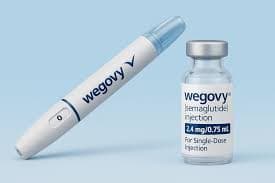
Wegovy
Active ingredient: Semaglutide
A GLP-1 receptor agonist prescribed for chronic weight management in adults.
Quickstart Highlights
- Drug class
- GLP-1 receptor agonist
- Route
- Subcutaneous injection
- Schedule
- Weekly subcutaneous injection
- Evidence score
- 85
Quickstart highlights
- 💉Subcutaneous injection
- 🔬GLP-1 receptor agonist
- 🖊️Pre-filled autoinjector pen
- 📋Prescription required
How this works
Mechanism of action and pharmacokinetic profile from published data.
Semaglutide is a GLP-1 (glucagon-like peptide-1) receptor agonist — a synthetic analogue of the naturally occurring gut hormone GLP-1. It binds to GLP-1 receptors in the pancreas, brain, and gut, which increases glucose-dependent insulin secretion, suppresses glucagon, slows gastric emptying, and reduces appetite via central hypothalamic pathways. The 2.4 mg once-weekly dose used in Wegovy delivers higher receptor exposure than the lower doses used for type 2 diabetes, producing larger and more sustained reductions in appetite and body weight.
Half-life
6.9 days
Tmax
2 days
Duration of action
7 days
- Time to peak (Tmax)
- 24–72 hours after a subcutaneous injection — peak concentration typically occurs 1–3 days post-dose.
- Clearance
- Degraded via proteolytic cleavage and fatty acid oxidation — not primarily renally or hepatically cleared as an intact molecule. Dose adjustment for mild-moderate renal impairment is not required.
- Elimination half-life
- Approximately 1 week (7 days), which is why it is dosed once weekly.
- Bioavailability
- High systemic exposure after subcutaneous injection; approximately 89% bound to albumin in plasma, which contributes to the long half-life.
Injection guide
Supplies, step-by-step technique, safety notes, and AU sharps disposal.
Dose escalation phases
Standard Wegovy escalation
| Phase | Dose | Frequency | Guidance |
|---|---|---|---|
| Weeks 1-4 Week 1-4 | 0.25 mg | once weekly | Tolerability initiation dose. If not tolerated, discuss delaying escalation rather than self-adjusting. |
| Weeks 5-8 Week 5-8 | 0.5 mg | once weekly | First escalation step. Hold at current tolerated dose only under prescriber guidance. |
| Weeks 9-12 Week 9-12 | 1 mg | once weekly | Intermediate escalation step. If gastrointestinal symptoms are significant, contact prescriber before escalating. |
| Weeks 13-16 Week 13-16 | 1.7 mg | once weekly | Pre-maintenance escalation step. Dose holds may be considered if tolerability limits escalation. |
| Week 17 onward Week 17+ | 2.4 mg | once weekly | Maintenance dose for chronic weight management. If maintenance is not tolerated, prescriber may consider alternatives or dose adjustment. |
Supplies needed
- ◦Your prescribed Wegovy pen (correct dose) — Check that the dose on the pen label matches what your prescriber ordered. Wegovy comes in five fixed-dose strengths — 0.25 mg, 0.5 mg, 1.0 mg, 1.7 mg, and 2.4 mg.
- ◦A new pen needle — NovoFine Plus 4 mm × 32G or equivalent are commonly used. Use a new needle for every injection — reusing blunts the needle and increases injection-site reactions.
- ◦Alcohol swab — To clean the injection site before injecting.
- ◦Sharps disposal container — A rigid, puncture-resistant container for used needles. Available from pharmacies; mail-back programs are listed under Disposal below.
Step-by-step
- 1Wash your hands
Wash with soap and water and dry thoroughly before handling the pen or needle.
- 2Remove the pen from the fridge
Take the pen out of the fridge 30 minutes before injecting. Injecting cold medicine can sting more and slow absorption.
- 3Check the pen
Inspect the liquid through the window — it should be clear, colourless, and free of particles. Check the expiry date. Do not use if it looks cloudy or discoloured.
- 4Attach a new pen needle
Remove the paper tab from the outer needle cap. Push and twist the needle onto the pen until it is secure. Pull off the outer needle cap (keep it for later removal). Pull off the inner needle cap and discard it.
- 5Choose your injection site
Inject into the fatty tissue of your abdomen (at least 5 cm from your navel), the front of your upper thigh, or your upper arm. Rotate sites within each area each week — do not inject in the same spot consecutively.
- 6Clean the site
Wipe the area with the alcohol swab and let it dry fully before injecting.
- 7Inject
Hold the pen at 90° to your skin. Press the pen firmly against your skin and press the injection button. Hold for 6 seconds after pressing — you will hear a click when the injection starts. A second click or colour change in the window confirms the full dose was delivered.
- 8Remove and dispose of the needle
Pull the pen straight away from the skin. Place the outer cap back on the needle using a one-hand scoop technique — do not recap with two hands. Unscrew the needle and place it directly into your sharps container.
- 9Store the pen
Return the used pen to the fridge if it has doses remaining. If this was a single-dose pen, dispose of it in your sharps container.
Important notes
- !Never inject into a vein or muscle
Subcutaneous injection (into the fatty layer under the skin) is the correct route. Injecting into a vein or muscle changes how the medicine is absorbed and can cause serious reactions.
- !Never share your pen with anyone else
Even with a new needle, blood-borne infections including HIV and hepatitis can be transmitted via shared pens. Your pen is for your use only.
- !Rotate injection sites every week
Using the same spot repeatedly causes lipohypertrophy — a hardened fatty lump under the skin. Injecting into a lump reduces absorption unpredictably.
- !Do not inject into scar tissue, bruises, or broken skin
- !If you miss a dose by more than 5 days, skip it
Take your next dose on your regular scheduled day. Do not double-dose to make up for a missed one.
- !Tell all healthcare providers you are using Wegovy
Slowed gastric emptying affects fasting requirements for procedures and the absorption of other oral medicines.
Sharps disposal
- ◦Use a sharps disposal container — Place used needles and pens directly into a rigid, puncture-resistant sharps container. Do not place loose needles in household rubbish or recycling.
- ◦NestSafe sharps mail-back program (Australia) — Free household sharps mail-back program. Collect a free mail-back kit from participating pharmacies or via nestsafe.com.au. Seal and post when full — no charge.
- ◦EnviroSafe sharps disposal (Australia) — Another AU mail-back option available through participating pharmacies. Kits are provided at no cost to patients.
- ◦Community pharmacy drop-off — Many Australian pharmacies accept filled sharps containers for disposal. Ask your dispensing pharmacy if they offer this service.
Your journey
Where you are in a typical protocol, and what one dose cycle looks like. Educational — your prescriber tailors the plan to you.
Protocol timeline
Starter phase — 0.25 mg
Weeks 1–40.25 mgevery 7dWhat to expect: Body adjusting to semaglutide — side effects may be most noticeable in early weeks, Mild to moderate nausea is common, particularly in the first 1–3 days after each injection, Appetite may begin to feel slightly reduced, No meaningful weight effect expected at this dose — this phase is for tolerability only
Focus on: Learn correct injection technique and site rotation, Identify your nausea pattern relative to dose day, Eat smaller, lower-fat meals around dose day, Stay well hydrated throughout the week
Common adjustments: Injection technique review if site reactions occur, Anti-nausea dietary strategies introduced, Hydration emphasis to support tolerability
Escalation phase 1 — 0.5 mg
Weeks 5–80.5 mgevery 7dWhat to expect: Nausea may increase briefly with dose step-up then settle within 1–2 weeks, Appetite suppression may become more noticeable, Some people begin to see early weight changes, Gastric emptying slowing may cause a feeling of fullness after small meals
Focus on: Monitor nausea severity and timing after dose step-up, Avoid large, high-fat meals especially around dose day, Prioritise protein and vegetables at each meal to maintain nutrition, Note any constipation and increase fluid and fibre intake proactively
Common adjustments: Prescriber may delay escalation if tolerability is poor, Dietitian referral if eating patterns are significantly disrupted
Escalation phase 2 — 1.0 mg
Weeks 9–121 mgevery 7dWhat to expect: Appetite suppression typically more pronounced, Weight loss trajectory may become clearer, Nausea often improves compared to earlier dose steps for many people, Constipation risk remains; bowel habits may be slower than usual
Focus on: Track weekly weight and energy levels, Maintain consistent meal timing to support appetite regulation, Build fibre-rich foods into daily eating to support bowel regularity, Engage in regular movement — even light walking — to support GI motility
Common adjustments: Prescriber may pause escalation if GI side effects remain significant, Fibre and fluid targets reviewed
Escalation phase 3 — 1.7 mg
Weeks 13–161.7 mgevery 7dWhat to expect: Significant appetite reduction expected for most people, Risk of under-eating — important to meet minimum nutritional needs even if appetite is very low, Nausea may re-emerge transiently with dose step-up, Energy levels may dip if caloric intake falls too low
Focus on: Prioritise nutrient-dense foods even in small amounts, Do not force large meals — focus on quality over quantity, Report any dizziness, weakness, or very low energy to your prescriber, Ensure adequate protein intake to support lean muscle mass
Common adjustments: Nutritional adequacy review recommended, Prescriber may choose to extend time at 1.0 mg or 1.7 mg before moving to maintenance
Maintenance phase — 2.4 mg
Weeks 17+2.4 mgevery 7dWhat to expect: Maximum approved dose for weight management — sustained appetite suppression expected, Ongoing weight loss or weight stabilisation depending on individual response, GI side effects typically reduce over time at a stable dose, Long-term adherence to nutritional habits becomes the primary focus
Focus on: Maintain consistent weekly injection timing, Sustain a balanced, nutrient-adequate eating pattern, Monitor for any new or returning side effects, Attend regular check-ins with your prescriber and care team, Focus on building sustainable long-term lifestyle habits
Common adjustments: Some people remain at 1.7 mg if 2.4 mg is not tolerated — discuss with your prescriber, Ongoing dietary and physical activity support recommended, Regular monitoring of weight, metabolic markers as directed by your prescriber
One dose cycle at a glance
Population typicals, in hours from your dose — individual experience varies.
Onset
24 h
Peak effect
24–72 h
Appetite effect
24–168 h
Nausea risk
6–72 h
Constipation risk
24–168 h
Coverage fades after
168 h
Semaglutide has a half-life of approximately 7 days. Peak plasma concentration (tmax) is reached 24–72 hours post-injection. Nausea risk is highest in the first 1–3 days after each dose, particularly early in treatment and at dose step-ups. Appetite suppression is sustained across the full weekly dosing interval. Gastric motility slowing (contributing to both satiety and constipation risk) persists throughout the week. Coverage is designed to bridge to the next weekly dose with minimal trough effect.
Clinical Benefits & Side Effects
Observed outcomes, adverse effects, and lifecycle considerations from published trial data.
Benefits
Starting your first injection
Wegovy begins at 0.25 mg weekly for the first four weeks — lower than the long-term target dose. This period is about tolerability, not weight loss. Many people notice reduced appetite within the first week.
First injection — taking the first step
You've taken your first dose — well done! This week is all about getting familiar with the injection routine. You may feel little to no effect yet, and that's completely normal at this low starting dose.
Early signals — body beginning to notice
Some people start to notice mild nausea, particularly after eating, or a slightly reduced appetite. Others feel no different at all — both experiences are common. Take it easy and be kind to yourself as your body adjusts.
Navigating nausea — the most common hurdle
Nausea is most frequently reported around weeks 2–4 and can catch people off guard. Eating smaller meals, slowing down at mealtimes, and avoiding rich or fatty foods can help significantly. Hang in there — for most people, this eases with time.
Completing your first month — building consistency
You've completed your first month — a real milestone! Weight changes may be minimal or not yet visible, and that's expected at this early stage. The focus right now is on consistency and letting your body adapt to the medication.
First dose escalation
The dose steps up to 0.5 mg weekly in weeks 5–8. Some people experience mild nausea or reduced appetite around each dose increase — this usually settles within a week or two.
Dose escalation begins — a new adjustment phase
Your prescriber may increase your dose around this point, which can bring a fresh wave of adjustment side effects, including nausea or fatigue. This is a normal part of the escalation process — follow your prescriber's instructions on when and how to increase your dose.
Appetite suppression becoming more noticeable
Many people begin to notice a meaningful reduction in hunger and food cravings around this week. You may find yourself feeling full faster or simply less interested in snacking. This is the medication working — use it as an opportunity to practise mindful, nourishing eating.
Side effects
Small average increase; generally not clinically significant
~20%
Reported; often resolves
~24%
- Pause solid food briefly, sip fluids, and restart bland foods once settled; do not escalate dose while vomiting persists.Seek help: Seek urgent advice for repeated vomiting, dehydration, or inability to keep fluids down.
Mild; generally transient
- Rotate sites, let alcohol dry before injecting, and avoid bruised, scarred, or hardened skin.Seek help: Seek advice for spreading redness, warmth, pus, fever, or severe pain.
~30%
- Prioritise fluids and electrolytes; avoid alcohol, greasy meals, and very high-sugar drinks until symptoms settle.Seek help: Seek help if diarrhoea is severe, bloody, accompanied by fever, or causes dehydration.
~24%
- Increase fluids, fibre-rich foods, and gentle movement; consider pharmacist advice for a short-term stool softener if needed.Seek help: Contact a clinician for severe abdominal pain, no bowel movement for several days, or vomiting with constipation.
Reported; often associated with dehydration
Common during early weeks
~44%
- Eat smaller, slower meals; choose bland lower-fat foods during escalation; avoid lying down soon after eating.Seek help: Contact your prescriber if nausea is severe, persistent, or prevents eating and drinking.
Lifecycle factors
Nausea during escalation is usually temporary
Most nausea with Wegovy occurs during dose-escalation weeks, then improves. Eating bland, small amounts, avoiding greasy foods, and staying upright after meals helps. If nausea is severe or persistent, contact your prescriber — they may hold your dose rather than escalate.
Tell your prescriber about any vomiting
Severe or repeated vomiting can cause dehydration and, if prolonged, may indicate a rare adverse reaction requiring evaluation. Contact your prescriber if vomiting lasts more than a day or two at a dose.
Manage nausea with small, practical strategies
If nausea hits, try plain crackers, dry toast, or a small piece of banana to settle your stomach. Cold or room-temperature foods are often better tolerated than hot, strongly-smelling meals. Ginger tea or ginger chews (available at most Australian supermarkets and health food stores) can also provide relief. Speak to your prescriber if nausea is severe or persistent.
Important note
This content is intended for therapeutic educational purposes only and does not constitute medical advice, diagnosis, or treatment. All information presented is based on published clinical trial data. Always follow your prescriber's instructions.
Nutrition & practical guidance
Food, hydration, and adherence tips compiled from trial data and clinical companion content.
Food and hydration
✅ Prefer
⚠️ Limit
Adherence tips
Rotate your injection sites consistently
Inject into the fatty tissue of your abdomen (at least 5 cm from your belly button), outer thigh, or upper arm — and rotate sites each week to prevent skin irritation or lumps (lipohypertrophy). Keep a simple note in your phone to track which site you used last. Always follow your prescriber's instructions on administration technique.
Use the same day each week, at a consistent time
A weekly rhythm is easier to maintain than guessing. Set a phone reminder on your chosen injection day. If you miss a dose by fewer than five days, take it as soon as you remember. If more than five days have passed, skip that dose and resume on your next scheduled day.
Store and prepare your pen correctly
Wegovy pens should be stored in the refrigerator (2–8°C) but **not** in the freezer. Before injecting, let the pen sit at room temperature for 15–30 minutes — a cold injection can be more uncomfortable. Check the pen window to confirm the liquid is clear before each use.
Pick a consistent injection day and stick to it
Choosing the same day each week (e.g., every Sunday morning) helps build a reliable routine and reduces the chance of a forgotten dose. Some people prefer injecting in the evening if they find nausea is worse in the mornings. Set a recurring phone reminder as a backup.
Protein-first plating
When your appetite is small, lead every meal with protein — chicken, fish, legumes, eggs, tofu — before eating carbs or vegetables. This helps you meet protein targets (roughly 1.2–1.5 g/kg body weight) even with reduced overall intake.
Time your meals around injection day
Nausea tends to peak in the 12–24 hours after your injection. On injection day, consider eating your lightest, most easily digested meals — think plain toast, scrambled eggs, or a small bowl of oats — rather than a heavy dinner. Planning ahead makes those first days of each week much more manageable.
Rotate injection sites
Use the abdomen (at least 5 cm from the navel), thigh, or upper arm. Rotating sites within each area and not injecting into sore, bruised, or hardened skin reduces injection-site reactions.
Prioritise protein at every meal
Aim for a source of protein at every meal — such as eggs, Greek yoghurt, tinned fish, legumes, or lean chicken. When overall food intake is lower, protein helps protect muscle mass and keeps you feeling satisfied. Targeting roughly 25–30 g of protein per meal is a helpful general goal.
Eat smaller portions, more slowly
Semaglutide slows the rate at which your stomach empties, so large or fast-eaten meals can cause significant discomfort. Try using a smaller plate, putting your fork down between bites, and aiming to take at least 15–20 minutes per meal. Stop eating when you feel satisfied — not full.
Weight loss may slow before plateauing
The rate of loss typically slows as your body weight stabilises at a new set point. A slower rate is not a sign of treatment failure — STEP 5 showed continued effect through 2 years with ongoing treatment. Do not self-escalate dose if progress slows.
Drink between meals, not during them
Drinking large amounts of fluid with meals can contribute to a feeling of fullness and bloating. Instead, sip water steadily between meals throughout the day. Keeping a 500 mL water bottle visible on your desk or bench is a simple cue to stay on track with your 2–2.5 L daily goal.
Start moving — even a short daily walk counts
You don't need to overhaul your exercise routine overnight. Even a 20–30 minute walk each day supports weight management, improves mood, and helps with digestion. As energy improves in weeks 6–12, gradually add strength-based activity (like bodyweight exercises or resistance bands) to help preserve muscle.
Pair resistance training with your reduced appetite
Because semaglutide reduces overall food intake, some muscle loss can occur without adequate protein and resistance exercise. Aim to include at least 2 sessions of light resistance training per week — this doesn't need to be a gym; home bodyweight exercises are effective. This is one of the most impactful habits you can build during this journey.
Protect your sleep — it directly affects weight management
Poor sleep increases hunger hormones and can make cravings harder to manage, even with appetite suppression from medication. Aim for 7–9 hours per night and try to go to bed and wake at consistent times. If nausea or discomfort is disturbing your sleep, sleeping slightly elevated (with an extra pillow) may help.
Track non-scale victories alongside your weight
The number on the scale tells only part of the story. Keep a simple weekly note of other changes — more energy, clothes fitting differently, improved sleep, fewer cravings, or a longer walk than last month. These markers are just as meaningful as kilograms and will keep you motivated through weeks when the scale doesn't move.
Expect progress to be non-linear — and that's okay
Weight loss on semaglutide is rarely a straight downward line. Plateaus and weeks with no change are completely normal and don't mean the medication isn't working. Focus on your consistent habits rather than the week-to-week number. Comparing your week 12 self to your week 1 self — not to anyone else's journey — is the most useful frame of reference.
Be honest with your prescriber about side effects
If side effects are making it hard to eat, sleep, or function, let your prescriber know — there are options available and your prescriber can adjust your plan. You don't need to push through alone. Open communication with your care team is one of the most important things you can do throughout this journey. Always follow your prescriber's instructions about your dosing schedule.
Daily companion
Practical playbooks for managing symptoms, eating around side effects, tracking what matters, and reporting back to your clinician.
Symptom playbooks
Nausea
Mild nausea
Nutrition: Eat small, frequent meals (e.g. 5–6 small meals rather than 3 large ones), Choose bland, low-fat foods: plain crackers, toast, rice, boiled potato, Eat slowly and chew thoroughly, Try cold or room-temperature foods if hot food smells trigger nausea, Ginger-containing foods or tea may offer mild comfort
Hydration: Sip water or diluted electrolyte drinks steadily throughout the day, Aim for at least 1.5–2 L of fluid daily, Avoid drinking large amounts with meals — sip small amounts instead
Avoid: High-fat, fried, or greasy foods, Spicy foods, Large meal portions, Lying down immediately after eating, Carbonated drinks in large quantities
Moderate nausea
Nutrition: Reduce meal size further — small snack-sized portions every 2–3 hours, Focus on easily digestible carbohydrates: plain toast, crackers, banana, rice, Avoid food preparation smells if they worsen nausea — consider cold foods, If solid food is not tolerated, try smooth foods: yoghurt, broth, smoothies, Do not force eating — prioritise fluids if solid food is not possible for short periods
Hydration: Prioritise fluid intake above food if solid food is very poorly tolerated, Sip 100–150 mL of fluid every 30–60 minutes, Oral rehydration solutions or diluted electrolyte drinks if prolonged, Avoid caffeinated or alcoholic beverages
Avoid: All high-fat or fried foods, Strong food odours, Alcohol, Caffeine, Skipping fluids even if food is not tolerated
⚠ If moderate nausea persists for more than 2–3 days after a dose, or is significantly affecting your ability to eat or drink, contact your prescriber.
Severe nausea
Nutrition: Focus entirely on fluids — do not force solid food, Clear fluids: water, diluted juice, broth, ice chips if unable to swallow easily, Very small sips every 10–15 minutes if vomiting is occurring
Hydration: Sustained fluid intake is the priority — aim for at least 1 L daily even if small sips only, Oral rehydration salts if vomiting is present, Seek medical review promptly if you cannot keep fluids down
Avoid: All solid food until nausea reduces, Any food with strong smell or high fat content, Alcohol and caffeine entirely
⚠ Seek urgent medical review if you are unable to keep fluids down for more than 24 hours, have signs of dehydration (dark urine, dizziness, dry mouth), or are vomiting repeatedly. Contact your prescriber or go to urgent care.
Constipation
Mild constipation
Nutrition: Increase dietary fibre gradually: vegetables, fruit with skin, legumes, wholegrains, Include prunes, kiwifruit, or pears — naturally supportive of bowel regularity, Aim for at least 25–30 g of dietary fibre per day, Maintain regular meal times to support gut motility
Hydration: Increase fluid intake to at least 2–2.5 L daily — fibre requires adequate water to be effective, Warm fluids in the morning (e.g. warm water with lemon) may help stimulate motility, Avoid excessive caffeine which can contribute to dehydration
Avoid: Low-fibre processed foods (white bread, pastries, fast food), Inadequate fluid intake, Sedentary periods — try to include light movement daily
Moderate constipation
Nutrition: Prioritise high-fibre foods at every meal, Consider a soluble fibre supplement (e.g. psyllium husk) — discuss with your prescriber or pharmacist before starting, Prunes or prune juice can be helpful in moderate amounts, Ensure you are eating enough food overall — very low intake can worsen constipation
Hydration: Aim for 2.5–3 L of fluid daily, A large glass of warm water first thing in the morning, Herbal teas (e.g. peppermint, fennel) may offer comfort
Avoid: Refined, low-fibre foods, Dairy in excess if it worsens symptoms for you, Prolonged inactivity
⚠ If constipation has not improved after 5–7 days despite dietary changes and increased fluids, contact your prescriber. Do not use laxatives without first discussing with your prescriber or pharmacist.
Severe constipation
Nutrition: Focus on soft, fibre-containing foods that are easy to digest, Do not reduce food intake further — adequate nutrition supports gut function, Cooked vegetables, fruit puree, porridge may be better tolerated than raw high-fibre foods
Hydration: Maintain at least 2.5–3 L fluid daily, Warm fluids prioritised
Avoid: Highly processed or refined foods, Excessive dairy, Insufficient fluid intake
⚠ Contact your prescriber promptly if you have not had a bowel movement in more than 5–7 days, if you experience significant abdominal pain or bloating, or if constipation is severe. Seek urgent care if you have severe abdominal pain, vomiting, or inability to pass gas.
Low appetite
Mildly reduced appetite
Nutrition: Eat smaller portions more frequently rather than waiting until hungry, Prioritise protein at each eating occasion to support muscle mass, Choose nutrient-dense foods: eggs, legumes, Greek yoghurt, lean meat, tofu, nuts, Set gentle reminders to eat if hunger cues are reduced
Hydration: Maintain 1.5–2 L of fluids daily, Avoid filling up on fluids immediately before meals
Avoid: Skipping meals entirely for extended periods, Filling up on low-nutrient, high-volume foods that displace more nutritious options
Moderately reduced appetite
Nutrition: Focus on calorie and protein density in small amounts: nut butters, cheese, eggs, avocado, full-fat yoghurt, Liquid nutrition options if solid food is difficult: smoothies with protein powder, milk-based drinks, Aim for at least 3 small eating occasions per day even if portion sizes are very small, Track protein intake if possible — aim for at least 1.0–1.2 g per kg of body weight daily
Hydration: Separate fluids from eating occasions to avoid early fullness reducing food intake, Aim for 1.5–2 L daily
Avoid: Long gaps without any food intake, Eating mostly low-protein, low-calorie foods (e.g. plain salads) without adequate energy, Using appetite suppression as an opportunity to severely restrict intake beyond what is safe
⚠ If appetite is very low and you are consistently unable to meet basic nutritional needs, contact your prescriber. A dietitian referral may be beneficial.
Severely reduced appetite
Nutrition: Caloric and protein adequacy are the priority — quality over volume, High-calorie liquid meals: full-fat milk smoothies, meal replacement shakes as a bridge, Small, high-protein snacks every 2–3 hours: boiled egg, small handful of nuts, cheese, Work with a dietitian to ensure nutritional needs are being met
Hydration: Maintain minimum 1.5 L fluid daily, Fortified drinks or milk can contribute both fluids and calories
Avoid: Extended periods (>24 hours) without meaningful caloric intake, Treating severe appetite suppression as a desirable outcome without medical guidance
⚠ Contact your prescriber if you are unable to eat meaningful amounts of food for more than 1–2 days, are losing weight very rapidly, feel dizzy or extremely fatigued, or are concerned about your nutritional intake. This is important to discuss — your prescriber may adjust your dose or escalation timing.
Food guidance by situation
Prefer: Plain crackers, dry toast, plain rice, boiled potato, Banana, plain yoghurt, Cold or room-temperature foods, Ginger tea or ginger biscuits in small amounts, Clear broths and soups
Limit: Dairy in large amounts, Carbonated drinks, Strongly flavoured or seasoned foods
Avoid: Fried, greasy, or high-fat foods, Spicy foods, Alcohol, Strong food smells, Large meals
Gastric emptying is slowed by semaglutide; high-fat and spicy foods further delay gastric clearance and worsen nausea. Small, bland, low-fat meals reduce gastric load and nausea severity.
Prefer: Vegetables (cooked or raw), Fruit with skin (e.g. apples, pears), Wholegrains (oats, brown rice, wholegrain bread), Legumes (lentils, chickpeas, beans), Prunes and kiwifruit, Psyllium husk (with adequate water, and after discussing with prescriber or pharmacist)
Limit: Refined grains (white bread, white rice, pastries), Processed snack foods, Excessive dairy
Avoid: Low-fibre, highly processed foods as staples, Inadequate fluid intake — fibre without water worsens constipation
Slowed gut motility is a known effect of GLP-1 receptor agonists. Adequate dietary fibre combined with sufficient fluid intake is the first-line strategy for maintaining bowel regularity.
Prefer: Nutrient-dense, high-protein foods: eggs, lean meat, fish, tofu, legumes, Greek yoghurt, cheese, Calorie-dense additions: nut butters, avocado, olive oil, nuts and seeds, Liquid nutrition if solid food is difficult: protein smoothies, milk-based drinks, Small, frequent eating occasions
Limit: High-volume, low-calorie foods (e.g. large salads without protein or fat) as the primary meal, Drinking large volumes of water immediately before eating
Avoid: Extended fasting or skipping multiple meals in a row, Relying solely on processed convenience foods with low nutritional value
Semaglutide significantly reduces appetite, particularly at higher doses. Ensuring adequate protein (to preserve muscle mass) and total energy intake is essential even when hunger cues are minimal.
Prefer: Light, low-fat meals on injection day and the following 1–2 days, Bland foods: plain crackers, toast, rice, banana, Small portions spread across the day, Cold foods if hot smells are triggering
Limit: Rich, creamy, or high-fat meals, Large restaurant-style portions, Alcohol — especially around dose day
Avoid: Fried and fast food around dose day, Spicy foods in the 24–72 hours post-dose, Eating to the point of fullness — stop when comfortable
Nausea risk is highest in the 24–72 hours post-injection corresponding to peak semaglutide concentration (tmax). Proactively eating lighter, lower-fat meals during this window can significantly reduce nausea severity.
Prefer: Simple, familiar, easy-to-digest foods for the first few days after a dose step-up, Higher hydration than usual, Protein-first meal structure even in small amounts
Limit: Dietary experimentation with new or rich foods during escalation week, High-fat or spicy meals
Avoid: Alcohol during the first week of a new dose level, Large meals on injection day and the 2 days following
Dose escalation steps are associated with the highest risk of GI side effects. Keeping diet simple and low-stimulus during these windows supports tolerability.
Prefer: Small, frequent meals, Low-fat proteins: grilled chicken, fish, eggs, tofu, Non-acidic vegetables: broccoli, peas, green beans, leafy greens, Wholegrains
Limit: Acidic foods: tomatoes, citrus, Mint and peppermint (can relax the lower oesophageal sphincter), Chocolate, Caffeinated drinks
Avoid: Lying down within 2–3 hours of eating, Fatty or fried foods, Alcohol, Spicy foods, Very large meals
Slowed gastric emptying from GLP-1 receptor agonism can exacerbate reflux symptoms. Smaller, lower-fat meals and avoiding recumbency after eating help reduce upper GI discomfort.
What to track
Suggested check-in cadence: dose day plus 2.
How would you rate your nausea right now? (0 = none, 10 = worst imaginable)
scale 0 10
How would you rate your appetite today? (0 = no appetite at all, 10 = completely normal appetite)
scale 0 10
Are you experiencing constipation or difficulty with bowel movements? (0 = none, 10 = severe)
scale 0 10
How are your energy levels today? (0 = completely exhausted, 10 = feeling great)
scale 0 10
Approximately how many litres of fluid have you had today? (L)
decimal
What is your weight this morning (before eating, after using the bathroom)? (kg)
decimal
How many times have you vomited in the last 24 hours? (episodes)
integer
Did you notice any redness, swelling, itching, or pain at your injection site?
boolean
How would you rate any abdominal pain or discomfort? (0 = none, 10 = severe)
scale 0 10
Take this to your appointment
Medication context: GLP-1 receptor agonist — Semaglutide (Wegovy) subcutaneous injection, once weekly
Key metrics: Current dose level (mg) and weeks at current dose, Weekly body weight (kg) — trend over past 4 weeks, Total weight change from baseline (kg and %), Average weekly nausea score (0–10 scale), Average weekly appetite score (0–10 scale), Average weekly energy score (0–10 scale), Average daily fluid intake (L), Constipation frequency and severity (0–10 scale), Number of vomiting episodes per week (if applicable), Any injection site reactions reported, Abdominal pain episodes: frequency and peak severity score
Relevant symptoms: Nausea — onset, duration, severity, relationship to dose timing, Vomiting — frequency and duration, Constipation — days since last bowel movement, severity, Abdominal pain or cramping — location, severity, radiation to back, Reflux or heartburn, Diarrhoea (less common but reportable), Fatigue or low energy — particularly if associated with low food intake, Injection site reactions — redness, swelling, itching, lipodystrophy, Vision changes (especially in people with diabetes or at risk of retinopathy), Neck lump, hoarse voice, or difficulty swallowing, Dizziness or lightheadedness — particularly if related to under-eating or dehydration, Sustained increase in resting heart rate, Signs of allergic reaction — rash, swelling, breathing difficulty
Safety and interactions
Share this information with your prescriber for personalised care decisions.
Red-flag symptoms — seek urgent care
- Severe or persistent abdominal painEmergencySevere pain in your abdomen — especially if it radiates to your back, is persistent, or comes with vomiting — can be a sign of pancreatitis. This is a serious condition. Go to your nearest emergency department immediately and tell them you are taking semaglutide.
- Unable to keep fluids down for more than 24 hoursUrgent careIf you have been vomiting repeatedly and cannot keep any fluids down for more than 24 hours, you are at risk of dehydration. Go to an urgent care centre or emergency department. Let them know you are taking semaglutide.
- Signs of a serious allergic reaction (anaphylaxis)EmergencyIf you develop swelling of your face, lips, throat or tongue, difficulty breathing, rapid heartbeat, or feel faint after your injection, call 000 (Australia) immediately. This may be a serious allergic reaction.
- Lump or swelling in the neck, hoarse voice, difficulty swallowingContact prescriberA lump in the neck, hoarse voice, or difficulty swallowing could be signs of a thyroid problem. Contact your prescriber promptly — do not wait until your next scheduled appointment.
- Sudden or severe vision changesContact prescriberRapid improvements in blood glucose levels can sometimes cause temporary changes in vision, including worsening of diabetic eye changes (retinopathy). If you notice sudden changes to your vision, contact your prescriber promptly.
- Severe constipation with abdominal distension or inability to pass gasUrgent careIf you have not had a bowel movement for more than 5–7 days AND have significant abdominal distension, pain, or cannot pass gas, seek urgent medical attention. This may indicate a bowel obstruction.
- Signs of low blood sugar (hypoglycaemia) — if also taking insulin or sulfonylureaUrgent careIf you are also taking insulin or a sulfonylurea (a type of diabetes tablet) and experience shakiness, sweating, confusion, rapid heartbeat, or feel faint, treat for low blood sugar as directed by your prescriber and seek medical attention. Semaglutide alone has a low hypoglycaemia risk, but combination therapy increases this risk.
- Heart rate significantly faster than usual (sustained)Contact prescriberSemaglutide can cause a modest increase in resting heart rate. If you notice a sustained increase in your heart rate that feels unusual or concerning, contact your prescriber.
- Thyroid C-cell tumour warning. Do not use Wegovy if you or your family have a history of medullary thyroid carcinoma, or if you have multiple endocrine neoplasia syndrome type 2.
- Possible pancreatitis. Seek urgent medical advice for severe, persistent abdominal pain, especially if it radiates to the back or is accompanied by vomiting.
- Severe allergic reaction. Stop using the medicine and seek urgent care for swelling of the face, lips, tongue or throat, breathing difficulty, fainting, or widespread rash.
- Thyroid tumour risk. Semaglutide has caused thyroid tumours (including medullary thyroid carcinoma, MTC) in animal studies. Do not use Wegovy if you or a blood relative have ever had MTC, or if you have Multiple Endocrine Neoplasia syndrome type 2 (MEN2). Tell your prescriber straight away if you notice a lump or swelling in your neck, hoarseness, difficulty swallowing, or shortness of breath.
- Thyroid tumour risk (MTC). In animal studies, semaglutide caused thyroid C-cell tumours. It is not known whether this risk applies to humans. Do not use Wegovy if you or a blood relative have ever had medullary thyroid carcinoma (MTC) or Multiple Endocrine Neoplasia syndrome type 2 (MEN2). Tell your prescriber straight away if you notice a lump or swelling in your neck, hoarseness, difficulty swallowing, or shortness of breath.
- Pancreatitis symptoms. Severe, persistent pain in your abdomen (tummy) that may spread to your back — sometimes with vomiting — can be a sign of pancreatitis (inflammation of the pancreas). Seek urgent medical attention immediately if you experience these symptoms. Wegovy should not be restarted unless pancreatitis has been ruled out.
- Serious allergic reaction. Symptoms such as swelling of the face, lips, tongue or throat, difficulty breathing, rapid heartbeat, or a severe skin rash may indicate a serious allergic (hypersensitivity) reaction. Stop the injection and seek emergency medical help immediately if these occur.
- Severe nausea, vomiting, or diarrhoea — dehydration risk. Prolonged vomiting or diarrhoea can lead to dehydration and may affect kidney function. If you cannot keep fluids down for more than 24 hours, or you feel dizzy, faint, or notice a significant drop in urine output, contact your prescriber or seek urgent medical attention.
Structured warnings
Thyroid C-cell tumour warning
Do not use Wegovy if you or your family have a history of medullary thyroid carcinoma, or if you have multiple endocrine neoplasia syndrome type 2.
Possible pancreatitis
Seek urgent medical advice for severe, persistent abdominal pain, especially if it radiates to the back or is accompanied by vomiting.
Severe allergic reaction
Stop using the medicine and seek urgent care for swelling of the face, lips, tongue or throat, breathing difficulty, fainting, or widespread rash.
Pregnancy planning
Wegovy is not recommended during pregnancy. Discuss stopping semaglutide at least 2 months before a planned pregnancy because of its long half-life.
Thyroid tumour risk
Semaglutide has caused thyroid tumours (including medullary thyroid carcinoma, MTC) in animal studies. Do not use Wegovy if you or a blood relative have ever had MTC, or if you have Multiple Endocrine Neoplasia syndrome type 2 (MEN2). Tell your prescriber straight away if you notice a lump or swelling in your neck, hoarseness, difficulty swallowing, or shortness of breath.
Thyroid tumour risk (MTC)
In animal studies, semaglutide caused thyroid C-cell tumours. It is not known whether this risk applies to humans. Do not use Wegovy if you or a blood relative have ever had medullary thyroid carcinoma (MTC) or Multiple Endocrine Neoplasia syndrome type 2 (MEN2). Tell your prescriber straight away if you notice a lump or swelling in your neck, hoarseness, difficulty swallowing, or shortness of breath.
Pancreatitis symptoms
Severe, persistent pain in your abdomen (tummy) that may spread to your back — sometimes with vomiting — can be a sign of pancreatitis (inflammation of the pancreas). Seek urgent medical attention immediately if you experience these symptoms. Wegovy should not be restarted unless pancreatitis has been ruled out.
Serious allergic reaction
Symptoms such as swelling of the face, lips, tongue or throat, difficulty breathing, rapid heartbeat, or a severe skin rash may indicate a serious allergic (hypersensitivity) reaction. Stop the injection and seek emergency medical help immediately if these occur.
Diabetic retinopathy changes
Rapid improvements in blood glucose control — particularly in people with existing diabetic retinopathy — can temporarily worsen eye (retinal) changes. Tell your prescriber about any history of eye problems before starting Wegovy, and report any sudden changes in vision promptly.
Severe nausea, vomiting, or diarrhoea — dehydration risk
Prolonged vomiting or diarrhoea can lead to dehydration and may affect kidney function. If you cannot keep fluids down for more than 24 hours, or you feel dizzy, faint, or notice a significant drop in urine output, contact your prescriber or seek urgent medical attention.
Dehydration and kidney function
Nausea, vomiting, and diarrhoea — especially early in treatment or during dose escalation — can lead to dehydration, which may affect kidney function. Ensure you drink adequate fluids. Contact your prescriber if you are unable to keep fluids down for more than 24 hours.
Pregnancy and breastfeeding
Wegovy is not recommended during pregnancy or while breastfeeding. If you are pregnant, planning to become pregnant, or breastfeeding, discuss this with your prescriber before using or continuing Wegovy. It is recommended to cease Wegovy at least 2 months before a planned pregnancy due to the long half-life.
Gallbladder disease
Rapid weight loss can increase the risk of gallstones or inflammation of the gallbladder. Tell your prescriber if you experience pain in the upper right area of your abdomen, particularly after eating, as this may indicate a gallbladder problem.
Indication and approval status
Chronic weight management as an adjunct to reduced-calorie diet and increased physical activity.
Adults and adolescents meeting product-information eligibility criteria.
Chronic weight management and reduction of major adverse cardiovascular events in selected adults with established cardiovascular disease and obesity or overweight.
Adults and adolescents meeting label eligibility criteria.
Who should not take this
Wegovy is a prescription medicine. Do not use if you have: • A personal or family history of medullary thyroid carcinoma (MTC) • Multiple endocrine neoplasia syndrome type 2 (MEN2) • A known allergy or hypersensitivity to semaglutide or any ingredient in the product • Had serious hypersensitivity reactions to other GLP-1 receptor agonists Use with caution (discuss with your prescriber) if you have: • A history of pancreatitis • Diabetic retinopathy — rapid glucose improvement can transiently worsen retinal changes • Severe kidney or liver disease • Active or recent eating disorder Not recommended during pregnancy or breastfeeding. Always provide your full medical history to your prescriber before starting.
Known interactions
- Insulin and insulin secretagogues (e.g. sulfonylureas)significant
Increased risk of hypoglycaemia. Your prescriber may reduce your insulin or sulfonylurea dose when starting or escalating Wegovy.
- Oral contraceptivesmoderate
Semaglutide slows gastric emptying, which may transiently reduce the absorption of oral contraceptives during dose escalation. Consider additional non-hormonal contraception around dose changes.
- Medicines with narrow therapeutic index (e.g. warfarin, ciclosporin, some anti-epileptics)moderate
Delayed gastric emptying can alter the absorption rate of orally administered medicines. Monitoring of drug levels or INR may be warranted.
- Alcoholmoderate
Alcohol can worsen nausea (already a common GLP-1 effect) and increase the risk of hypoglycaemia.
Missed-dose guidance
If a once-weekly dose is missed and the next scheduled dose is more than 2 days away, take the missed dose as soon as possible.
Resume once-weekly dosing on the regular scheduled day.
If the next scheduled dose is less than 2 days away, skip the missed dose.
Do not take two doses within 48 hours. Resume on the next regular scheduled day.
If more than 2 consecutive doses are missed, contact the prescriber before restarting.
The prescriber may restart at a lower dose to reduce gastrointestinal side effects.
If you miss your weekly dose and your next scheduled dose is more than 5 days (120 hours) away, administer the missed dose as soon as you remember. If the next scheduled dose is within 5 days or fewer, do not administer the missed dose — continue with your next regularly scheduled dose.
After a missed dose, resume your usual once-weekly schedule on your originally planned injection day. Do not administer two doses in the same week.
If you miss your weekly dose and your next scheduled dose is more than 5 days (120 hours) away, administer the missed dose as soon as you remember. If your next scheduled dose is within 5 days or less, leave out the missed dose and administer your next dose on the usual scheduled day.
After a missed dose, resume your normal once-weekly schedule. Do not administer two doses within the same 5-day window to make up for a missed one. If you have missed doses for more than 2 consecutive weeks, contact your prescriber before resuming, as a dose adjustment or re-escalation may be required.
When to seek help
Repeated vomiting, vomiting lasting more than 24-48 hours, or inability to keep fluids down.
Contact your prescriber promptly; seek urgent care if dehydration symptoms occur.
Severe or persistent abdominal pain, especially with vomiting or pain radiating to the back.
Seek urgent medical advice to rule out pancreatitis or gallbladder disease.
Shaking, sweating, confusion, faintness, or low glucose readings when used with insulin or sulfonylureas.
Treat low glucose according to your diabetes plan and seek urgent help if severe or not improving.
Spreading redness, warmth, pus, severe pain, or systemic symptoms such as fever.
Contact your prescriber to assess possible infection or allergic reaction.
Side-effect timing windows
Population typicals from trial data — individual experience varies.
Nausea
Onset 1–24 h · Peak 24–72 h · Resolves ~14d
Most pronounced after first dose and each escalation step.
Vomiting
Onset 2–24 h · Peak 24–72 h · Resolves ~7d
Same window as nausea; persistent vomiting needs prescriber contact.
Diarrhoea
Onset 4–48 h · Peak 24–96 h · Resolves ~7d
May alternate with constipation across the weekly cycle.
Constipation
Onset 24–96 h · Peak 48–168 h · Resolves ~14d
Driven by slowed gastric emptying.
Injection-site reaction
Onset 0.5–8 h · Peak 1–24 h · Resolves ~2d
Includes localised redness, swelling, bruising, or itching at the injection site. Generally mild and self-limiting. Consistent site rotation reduces recurrence risk. Report persistent or worsening skin changes to your prescriber.
Approved injection sites
Abdomen
Rotate weekly between abdomen, thigh and upper arm. Keep at least 2 cm from the navel and at least 2.5 cm from the previous site.
Avoid: Avoid skin that is bruised, tender, scarred or hardened.
Thigh
Front of the thigh, midway between hip and knee.
Avoid: Avoid the inner thigh.
Upper arm
Back of the upper arm; usually needs a helper to inject.
Avoid: Avoid the muscle - use the fatty layer just under the skin.
Structured storage
single-dose pen
before use
Refrigerate at 2-8C
Keep in the original carton. Do not use if frozen, exposed to excessive heat, cloudy, discoloured, or particulate.
single-dose pen
room temperature allowance
Below 30C
Use within 28 days if stored out of refrigeration.
Keep cap on until use and store away from children.
Storage and handling
Store the Wegovy pen in the refrigerator at 2–8°C (36–46°F) until first use. • After first use, or if stored out of the refrigerator: use within 28 days, keeping below 30°C and away from direct heat and light. • Never freeze the pen — freezing destroys the active molecule. • Keep the cap on the pen when not in use. • Store away from children. • Do not use the pen if it has been dropped, damaged, or if the liquid looks cloudy, discoloured, or contains particles.
Research evidence
Published studies, labels, regulator pages, and curated protocol sources connected to this profile.
API source references
Wegovy prescribing information
Novo Nordisk. Wegovy (semaglutide) prescribing information.
Open source ↗Wegovy product information
Therapeutic Goods Administration product information for Wegovy.
Open source ↗STEP 1 trial
Wilding JPH et al. Once-weekly semaglutide in adults with overweight or obesity. N Engl J Med. 2021.
Open source ↗Semaglutide and Cardiovascular Outcomes in Obesity without Diabetes (SELECT)
Human trial · 2023 · New England Journal of Medicine · n=17604 · Adults with overweight or obesity, established cardiovascular disease, without type 2 diabetes at baseline
17,604 adults with established cardiovascular disease were randomised to semaglutide 2.4 mg weekly or placebo over ~33 months. Semaglutide reduced the risk of major adverse cardiovascular events (MACE — cardiovascular death, non-fatal MI, or non-fatal stroke) by 20% versus placebo (HR 0.80, 95% CI 0.72–0.90).
Reported outcomes
- weight_loss: Mean body-weight reduction of 9.4% versus 0.9% with placebo at ~33 months. (Secondary)
- cardiovascular: 20% relative risk reduction in MACE (cardiovascular death, non-fatal MI, or non-fatal stroke) versus placebo over ~33 months. (Primary outcome)
Two-Year Effects of Semaglutide in Adults with Overweight or Obesity (STEP 5)
Human trial · 2022 · Nature Medicine · n=304 · Adults with obesity or overweight plus comorbidity, without type 2 diabetes
304 adults received once-weekly semaglutide 2.4 mg or placebo for 104 weeks (2 years). Mean body-weight change was −15.2% with semaglutide versus −2.6% with placebo. Cardiometabolic risk markers improved across lipids, blood pressure, and inflammatory markers.
Reported outcomes
- cardiometabolic: Sustained improvements in lipids, blood pressure, and CRP (inflammatory marker) over 2 years. (Secondary)
- weight_loss: Mean body-weight reduction of 15.2% at 104 weeks (2 years) on 2.4 mg weekly, versus 2.6% with placebo. (Primary outcome)
Once-Weekly Semaglutide in Adults with Overweight or Obesity (STEP 1)
Human trial · 2021 · New England Journal of Medicine · n=1961 · Adults with obesity (BMI ≥30) or overweight (BMI ≥27) with ≥1 weight-related condition, without type 2 diabetes
1961 adults were randomised to once-weekly subcutaneous semaglutide 2.4 mg or placebo for 68 weeks, alongside lifestyle intervention. Mean body-weight change was −14.9% with semaglutide versus −2.4% with placebo; 86.4% of semaglutide participants achieved ≥5% weight loss. Nausea and diarrhoea were the most common adverse events.
Reported outcomes
- cardiometabolic: Improvements in waist circumference, systolic blood pressure, fasting glucose, HbA1c, and lipids versus placebo. (Secondary)
- responder_rate: 86.4% of semaglutide participants achieved ≥5% body-weight loss; 69.1% achieved ≥10%. (Secondary)
- weight_loss: Mean body-weight reduction of 14.9% at 68 weeks on 2.4 mg weekly, versus 2.4% with placebo. (Primary outcome)
Reported dosage
- 0.25 mg · once weekly subcutaneous · 4 weeks — Starting dose — tolerability run-in only; not a therapeutic dose.
- 2.4 mg · once weekly subcutaneous · 52 weeks — Target maintenance dose — primary endpoint dose.
- 1.7 mg · once weekly subcutaneous · 4 weeks — Escalation step 4.
- 0.5 mg · once weekly subcutaneous · 4 weeks — Escalation step 2.
- 1 mg · once weekly subcutaneous · 4 weeks — Escalation step 3.
Get the full companion experience in Viora
Week-by-week reminders, food and symptom tracking, and the complete companion guide in one place.
Available on iOS and Android.