Drug companion protocol
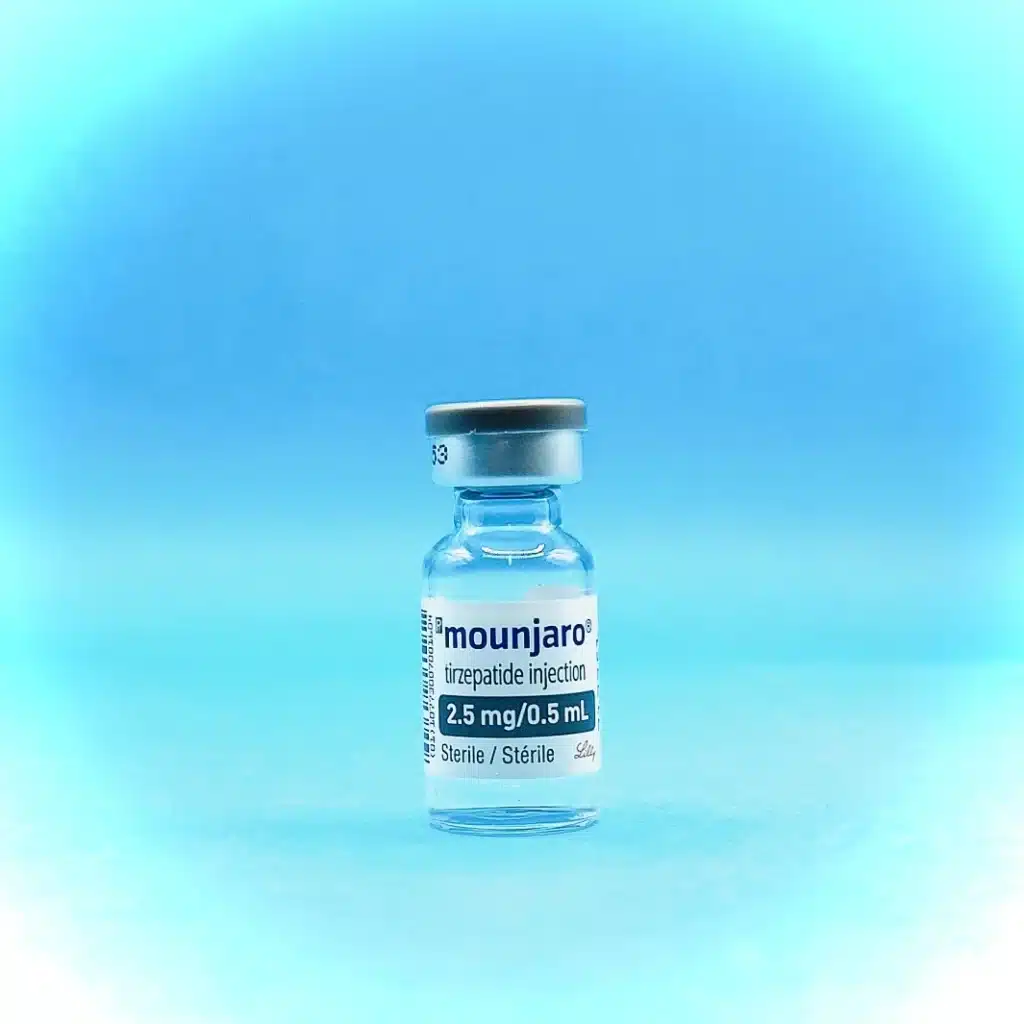
Mounjaro
Active ingredient: Tirzepatide
A dual GLP-1 / GIP receptor agonist prescribed for type 2 diabetes management.
Quickstart Highlights
- Drug class
- GLP-1 / GIP dual receptor agonist
- Route
- Subcutaneous injection
- Schedule
- Weekly subcutaneous injection
- Evidence score
- 90
Quickstart highlights
- 💉Subcutaneous injection
- 🔬GLP-1 / GIP dual receptor agonist
- 🖊️Pre-filled autoinjector pen
- 📋Prescription required
How this works
Mechanism of action and pharmacokinetic profile from published data.
Tirzepatide is a dual GLP-1 / GIP receptor agonist. GIP (glucose-dependent insulinotropic polypeptide) is the predominant incretin in healthy individuals; combining GIP and GLP-1 agonism produces greater glycaemic improvement and weight reduction than either target alone. In Mounjaro, doses of 5–15 mg weekly are used to improve blood sugar control in type 2 diabetes. Its glucose-dependent mechanism substantially reduces hypoglycaemia risk when used without additional insulin.
Half-life
5 days
Tmax
2 days
Duration of action
7 days
- Time to peak (Tmax)
- 8–72 hours after subcutaneous injection.
- Clearance
- Proteolytic degradation; not primarily hepatically or renally cleared as intact drug — no dose adjustment for mild-moderate renal or hepatic impairment.
- Elimination half-life
- Approximately 5 days, which supports once-weekly subcutaneous dosing.
- Bioavailability
- ~80% after subcutaneous injection; highly albumin-bound.
Injection guide
Supplies, step-by-step technique, safety notes, and AU sharps disposal.
Dose escalation phases
Standard Mounjaro escalation
| Phase | Dose | Frequency | Guidance |
|---|---|---|---|
| Weeks 1-4 Week 1-4 | 2.5 mg | once weekly | Tolerability initiation dose. Not intended as the glycaemic maintenance dose. |
| Weeks 5-8 Week 5-8 | 5 mg | once weekly | First therapeutic dose. Escalate only if additional glycaemic control is needed. |
| Weeks 9-12 Week 9-12 | 7.5 mg | once weekly | Intermediate escalation option. Increase in 2.5 mg increments at no less than 4-week intervals. |
| Weeks 13-16 Week 13-16 | 10 mg | once weekly | Maintenance option. Hold or reduce only under prescriber guidance. |
| Weeks 17-20 Week 17-20 | 12.5 mg | once weekly | Intermediate escalation option. Escalate only if needed and tolerated. |
| Week 21 onward Week 21+ | 15 mg | once weekly | Maximum labelled dose. Lower maintenance doses may be appropriate when targets are met. |
Supplies needed
- ◦Your prescribed Mounjaro/Zepbound autoinjector pen (correct dose) — Each pen is single-use and contains a fixed dose (2.5, 5, 7.5, 10, 12.5, or 15 mg). Check the dose label matches your prescriber's instructions.
- ◦Alcohol swab
- ◦Sharps disposal container
Step-by-step
- 1Wash your hands thoroughly
- 2Remove the pen from the fridge 30 minutes before use
Room-temperature injection is more comfortable. Do not warm the pen in a microwave or hot water.
- 3Check the pen
Look through the inspection window — the liquid should be clear and colourless. Check the expiry date on the label. Do not use if cloudy, discoloured, or if particles are present.
- 4Peel off the base cap label and remove the base cap
Pull the base cap straight off and discard — do not twist. You will see the needle inside.
- 5Choose and clean your injection site
Abdomen (5 cm from navel), upper thigh, or upper arm. Rotate sites each week. Wipe with an alcohol swab and let dry completely.
- 6Place the pen flat against your skin
Hold the pen so the clear base is flush against the injection site at 90°. Do not angle it.
- 7Press the button and hold
Press the injection button firmly. You will hear two clicks: the first click signals the injection has started; hold until the second click, then hold for an additional 5 seconds. The yellow indicator in the inspection window confirms the full dose was delivered.
- 8Lift the pen straight away from the skin
The needle retracts automatically — you will not see the needle after use.
- 9Dispose of the entire pen in your sharps container
This is a single-use pen — the entire pen goes into the sharps container after one injection.
Important notes
- !Never inject into a vein or muscle
- !This pen is single-use only — discard after one injection
Unlike some pens, Mounjaro and Zepbound pens are not multi-dose. Attempting to re-use will not deliver a full dose.
- !Rotate injection sites each week
- !Do not inject into scar tissue, bruises, or broken skin
- !If you miss a dose by more than 4 days (Mounjaro) or 5 days (Zepbound), skip and resume on your next scheduled day
- !Tell all healthcare providers you are using this medicine
Slowed gastric emptying is relevant for surgical preparation and oral medicine absorption.
Sharps disposal
- ◦Place the entire used pen in a sharps container — The auto-retracted needle is still sharp inside the pen. The full pen must go into the sharps container — not general waste.
- ◦NestSafe sharps mail-back (Australia) — free kit from participating pharmacies
- ◦EnviroSafe mail-back (Australia)
- ◦Community pharmacy drop-off
Your journey
Where you are in a typical protocol, and what one dose cycle looks like. Educational — your prescriber tailors the plan to you.
Protocol timeline
Starter phase – 2.5 mg
Weeks 1–42.5 mgevery 7dWhat to expect: Body is adjusting to the medication — side effects are often most noticeable in this phase, Mild to moderate nausea is common, particularly in the days following injection, Appetite may begin to reduce noticeably, Blood glucose levels may start to improve gradually
Focus on: Focus on small, frequent meals to manage nausea, Stay well hydrated — at least 2 L of fluid per day, Track nausea, appetite, and energy levels after each dose, Establish a consistent weekly injection day
Common adjustments: Prescriber may extend this phase if GI side effects are poorly tolerated, No dose increase occurs during this phase — the 2.5 mg dose is an introductory dose only
Escalation phase – 5 mg
Weeks 5–85 mgevery 7dWhat to expect: Appetite suppression typically becomes more pronounced, Some users experience a second wave of GI symptoms (nausea, constipation) after the dose increase, Blood glucose improvements may be more consistent, Weight reduction may become more noticeable
Focus on: Continue tracking symptoms, especially in the first 2–3 days after dose increase, Monitor for constipation and increase dietary fibre and fluid intake proactively, Avoid large, high-fat meals around injection day
Common adjustments: Prescriber may delay escalation to 7.5 mg if GI side effects are not well tolerated, Anti-nausea strategies from the starter phase remain relevant
Escalation phase – 7.5 mg
Weeks 9–127.5 mgevery 7dWhat to expect: Continued appetite suppression — portion sizes may feel noticeably smaller than before, GI side effects may resurface briefly after dose increase, Ongoing improvements in blood glucose levels, Energy levels may fluctuate, particularly if caloric intake has reduced significantly
Focus on: Prioritise protein and micronutrient intake within smaller meals, Track energy levels alongside appetite — report significant fatigue to your prescriber, Continue consistent hydration habits
Common adjustments: Prescriber may maintain 7.5 mg as a therapeutic dose if targets are met, Focus on nutrient density to support energy given reduced appetite
Escalation phase – 10 mg
Weeks 13–1610 mgevery 7dWhat to expect: Appetite suppression typically well established by this phase, GI tolerance often improves relative to earlier escalation steps, though individual responses vary, Blood glucose control may reach target range for many users
Focus on: If using insulin alongside tirzepatide, monitor blood glucose closely — hypoglycaemia risk is increased in this combination, Discuss any vision changes with your prescriber promptly, Maintain a consistent injection schedule each week
Common adjustments: Prescriber may elect to maintain 10 mg if therapeutic goals are achieved, Retinopathy monitoring may be discussed if rapid glycaemic improvement has occurred
Escalation phase – 12.5 mg
Weeks 17–2012.5 mgevery 7dWhat to expect: Most users experience stable or improved GI tolerability at this stage, Appetite suppression remains pronounced, Continued blood glucose and weight outcomes expected
Focus on: Continue nutrient-dense eating habits to avoid nutritional deficits, Report any persistent GI symptoms or new symptoms to your prescriber
Common adjustments: Prescriber may pause escalation at this dose depending on individual response and tolerability
Maintenance phase – 15 mg (maximum dose)
Weeks 21+15 mgevery 7dWhat to expect: Maximum approved dose — therapeutic benefits are typically at their greatest, GI side effects are generally less prominent than during earlier escalation phases, Blood glucose and weight outcomes stabilise over time, Ongoing monitoring by your prescriber is important
Focus on: Focus on long-term lifestyle habits that support your health goals, Continue regular check-ins with your prescriber for blood glucose, kidney function, and general wellbeing, Report any new or worsening symptoms promptly
Common adjustments: Maintenance at a lower dose (e.g. 10 mg or 12.5 mg) may be appropriate if 15 mg is not tolerated, Regular follow-up with your prescriber to review ongoing suitability
One dose cycle at a glance
Population typicals, in hours from your dose — individual experience varies.
Onset
8 h
Peak effect
8–72 h
Appetite effect
8–168 h
Nausea risk
8–72 h
Constipation risk
24–168 h
Coverage fades after
168 h
Tirzepatide has an approximate half-life of 5 days and tmax of 8–72 hours after subcutaneous injection, supporting once-weekly dosing. Nausea risk is highest in the first 8–72 hours post-dose. Appetite suppression is sustained across the full weekly dosing interval. Constipation may develop gradually across the week. GI symptoms are generally most prominent during dose-escalation steps. Due to its glucose-dependent mechanism, hypoglycaemia risk is low as monotherapy but increases if used alongside insulin or sulphonylureas.
Clinical Benefits & Side Effects
Observed outcomes, adverse effects, and lifecycle considerations from published trial data.
Benefits
Starting at 2.5 mg
Mounjaro begins at 2.5 mg weekly for 4 weeks — a tolerability step. Blood sugar improvement becomes more noticeable from 5 mg onward.
First injection — taking the first step
You've taken a big step by starting tirzepatide. This week is all about getting comfortable with the injection routine and observing how your body responds. Many people feel little to no side effects at this early, low dose — but some notice mild nausea, fatigue, or a reduced appetite, which is completely normal.
Settling in — noticing early signals
Your body is beginning to adjust to tirzepatide. Mild nausea, especially after meals, is one of the most commonly reported experiences at this stage. Eating smaller portions and avoiding fatty or rich foods can help you feel more comfortable.
Building the habit — routine starts to form
By now, your weekly injection is starting to feel more routine. Nausea may still come and go, particularly in the hours after eating. Don't worry if you haven't noticed major changes yet — it's very early, and your body is still adapting.
One month in — patience is progress
You've completed your first month — that's worth acknowledging! Visible results may still be minimal at this dose, and that's entirely expected. Focus on building good habits around food, hydration, and movement rather than the scale right now.
Dose escalation begins — adjustment continues
Your prescriber may increase your dose around this time. A new dose can bring a temporary return of nausea or digestive discomfort as your body recalibrates — this is normal and usually settles within a week or two. Follow your prescriber's instructions carefully around any dose changes.
Appetite shifts — eating less feels natural
Many people begin noticing a more significant reduction in appetite this week. You may feel full after smaller amounts of food, or find that cravings for certain foods have quieted. This is the medication working as intended — try to eat slowly and stop when you feel satisfied.
Finding your rhythm — habits start to click
You're nearly two months in and likely finding a rhythm with your weekly injections and adjusted eating patterns. Some people notice early changes in weight or energy levels around this time. Keep prioritising protein and hydration to support your progress.
Side effects
Common
- Prioritise fluids and electrolytes; avoid alcohol, greasy meals, and very high-sugar drinks until symptoms settle.Seek help: Seek help if diarrhoea is severe, bloody, accompanied by fever, or causes dehydration.
Common; generally an intended effect for weight management
Generally mild and transient
- Rotate sites, let alcohol dry before injecting, and avoid bruised, scarred, or hardened skin.Seek help: Seek advice for spreading redness, warmth, pus, fever, or severe pain.
Reported
- Pause solid food briefly, sip fluids, and restart bland foods once settled; do not escalate dose while vomiting persists.Seek help: Seek urgent advice for repeated vomiting, dehydration, or inability to keep fluids down.
Higher incidence when combined with insulin or sulfonylurea
Common; most frequent during dose escalation
- Eat smaller, slower meals; choose bland lower-fat foods during escalation; avoid lying down soon after eating.Seek help: Contact your prescriber if nausea is severe, persistent, or prevents eating and drinking.
Reported
- Increase fluids, fibre-rich foods, and gentle movement; consider pharmacist advice for a short-term stool softener if needed.Seek help: Contact a clinician for severe abdominal pain, no bowel movement for several days, or vomiting with constipation.
Lifecycle factors
Know your hypoglycaemia risk profile
On its own, Mounjaro rarely causes low blood sugar because it only stimulates insulin in response to elevated glucose. However, if you are also taking insulin or a sulfonylurea, the combination significantly increases that risk. Your prescriber should adjust those doses — do not adjust them yourself.
Have your eyes checked before and during treatment
Rapid blood sugar improvement — especially from a high HbA1c baseline — can occasionally cause transient worsening of diabetic retinopathy. Attend your scheduled retinal screening and tell your ophthalmologist you have started Mounjaro.
Inform all medical teams including surgeons and anaesthetists
Delayed gastric emptying matters for procedures requiring fasting. Declare Mounjaro use before any procedure, elective or emergency.
Store your medication correctly in the fridge
Tirzepatide pens must be **stored in the refrigerator between 2°C and 8°C** and kept away from the freezer compartment. Do not use a pen that has been frozen or left in extreme heat (e.g., a hot car). Check the packaging for full storage instructions, and always follow your prescriber's guidance on handling your medication.
Important note
This content is intended for therapeutic educational purposes only and does not constitute medical advice, diagnosis, or treatment. All information presented is based on published clinical trial data. Always follow your prescriber's instructions.
Nutrition & practical guidance
Food, hydration, and adherence tips compiled from trial data and clinical companion content.
Food and hydration
✅ Prefer
⚠️ Limit
Adherence tips
Rotate your injection sites consistently
Tirzepatide is injected subcutaneously (under the skin) into the abdomen, upper thigh, or upper arm. **Rotate your injection site each week** — for example, left abdomen one week, right abdomen the next — to avoid skin irritation or lumps forming (lipohypertrophy). Always follow your prescriber's instructions on injection technique.
Let the pen reach room temperature before injecting
Injecting cold medication straight from the fridge can increase discomfort at the injection site. Take your pen out of the fridge **30–60 minutes before** your scheduled injection time and let it come to room temperature naturally. Do not heat it in a microwave or under hot water.
Stick to the four-week escalation steps
Each dose step is four weeks because it takes time for steady-state blood levels to be reached (half-life ~5 days). Rushing escalation increases GI side effects without improving efficacy.
Pick the same day each week — and stick to it
Choose a day of the week that suits your lifestyle and make it your standing 'injection day'. **Setting a recurring phone reminder** removes the mental load of remembering. Consistency in timing helps your body maintain steady medication levels. Follow your prescriber's instructions if you ever need to adjust the day.
Inject on a day when you can take it easy if needed
Some people feel mildly fatigued or nauseated in the 24–48 hours after their injection, particularly after dose increases. **Consider scheduling your injection on a Friday evening** (or another day before a lighter day), so any side effects land on a rest day rather than a busy work day.
Start every morning with a full glass of water
Before coffee, before breakfast — make **250–300 mL of water your first habit of the day**. It's easy to under-drink when your appetite and thirst are suppressed by the medication. A morning water habit anchors your hydration before the day gets busy.
Distribute carbohydrates evenly across meals
Spreading carbohydrate intake rather than loading one meal produces smoother glucose curves alongside the incretin mechanism of Mounjaro. A dietitian experienced in diabetes can help personalise this.
Carry a reusable water bottle everywhere
A visible 750 mL–1 L water bottle acts as a constant, passive reminder to sip throughout the day. **Aim to refill it at least twice** by the end of the day. In warm Australian weather or during physical activity, your fluid needs will be higher — listen to your body.
Prioritise protein at every meal — even small ones
When you're eating less, **what you eat matters more than ever**. Aim for a palm-sized serve of protein (chicken, eggs, legumes, fish, Greek yoghurt) at every meal or snack. Adequate protein helps your body preserve muscle as your weight changes, which supports your metabolism and strength.
Eat slowly and pause halfway through your meal
Tirzepatide slows how quickly your stomach empties, so **fullness signals arrive faster than you may be used to**. Try putting your fork down halfway through your meal and checking in with your hunger. Eating past fullness is one of the most common causes of nausea on this medication.
Measure progress beyond the scales
The number on the scale is just one data point — and it can fluctuate for many reasons unrelated to your progress. **Consider also tracking**: how your clothes fit, your energy levels, how far you can walk, and improvements in how you feel day-to-day. These non-scale victories are real and worth celebrating.
Be patient with the early weeks — discomfort is not failure
The first four to six weeks can be genuinely tough. Nausea, fatigue, and slow visible progress can feel discouraging. **This is normal, and it passes for most people.** Think of the early weeks as your body learning a new normal — not as a sign that something is wrong or that the medication isn't working.
Start with gentle daily movement — not an intense gym programme
If you're new to exercise or feeling side effects, **a 15–20 minute walk each day is a fantastic starting point**. Gentle movement supports blood glucose regulation, mood, and energy without overtaxing a body that's already adjusting. You can gradually build intensity over weeks and months as you feel ready.
Include some resistance exercise each week
Alongside cardio, **two sessions of resistance training per week** — such as bodyweight exercises, resistance bands, or light weights — helps preserve and build muscle. This is especially important during weight loss, as muscle supports a healthy metabolism. Even chair-based strength exercises count.
Prioritise 7–9 hours of sleep to support your goals
Poor sleep raises hunger hormones (ghrelin) and makes it harder to make good food choices — even with appetite suppression from medication. **Aim for 7–9 hours** of consistent sleep each night. A regular bedtime, a cool dark room, and limiting screens before bed are practical places to start.
Keep a simple weekly journal or log
A brief weekly note — how you felt, what side effects occurred, what you ate, how you moved — builds a valuable picture of your journey over time. **It doesn't need to be detailed**: even a few bullet points in your phone's notes app is enough. This record can also be helpful to share with your prescriber at check-ins.
Daily companion
Practical playbooks for managing symptoms, eating around side effects, tracking what matters, and reporting back to your clinician.
Symptom playbooks
Nausea
No or minimal nausea
Nutrition: Eat normally — continue with regular balanced meals, Maintain adequate protein intake at each meal, Use this window to establish positive eating habits
Hydration: Aim for at least 2 L of fluid per day, Water, herbal teas, and diluted drinks are all suitable
Mild nausea
Nutrition: Eat small, frequent meals every 2–3 hours rather than large portions, Choose bland, easy-to-digest foods: plain rice, toast, boiled potato, crackers, banana, Eat slowly and chew thoroughly, Avoid eating when you feel most nauseated — wait for a settled window, Cold or room-temperature foods may be better tolerated than hot meals, Ginger-based foods or tea may help some people
Hydration: Sip fluids slowly and steadily throughout the day — avoid gulping large amounts, Try cold, clear fluids: water, diluted apple juice, or flat lemonade, Electrolyte drinks may help if fluid intake has been reduced
Avoid: Large meals, High-fat or fried foods, Spicy foods, Strong odours during meal preparation, Lying flat immediately after eating
Moderate nausea
Nutrition: Prioritise small amounts of easily tolerated foods only, Focus on bland carbohydrates: dry crackers, plain toast, plain rice, Aim for at least a small amount of food every few hours to avoid an empty stomach, Protein-rich options when tolerated: plain eggs, yoghurt, tofu
Hydration: Prioritise fluid intake over food if eating feels impossible, Sip 30–60 mL of fluid every 15–20 minutes, Oral rehydration solution or diluted electrolyte drinks if vomiting has occurred, Avoid carbonated drinks if they worsen symptoms
Avoid: All high-fat, fried, or heavily seasoned foods, Alcohol, Caffeinated beverages in excess, Dairy if it worsens nausea
⚠ If nausea is persistent and you are unable to keep fluids down for more than 24 hours, contact your prescriber.
Severe nausea / vomiting
Nutrition: Do not force eating if vomiting is ongoing, Once vomiting settles, reintroduce plain fluids before any solid food, Reintroduce food gradually — start with plain crackers or dry toast in very small amounts
Hydration: Hydration is the priority — aim for small sips every 10–15 minutes, Use oral rehydration solutions to replace lost electrolytes, If unable to keep any fluids down, seek medical care promptly
Avoid: Any solid food until vomiting has settled, High-fat, spicy, or strong-smelling foods, Alcohol
⚠ If you are unable to keep fluids down for more than 24 hours, are showing signs of dehydration (dark urine, dizziness, dry mouth), or have severe upper abdominal pain, seek urgent medical care and contact your prescriber.
Constipation
No or minimal constipation
Nutrition: Maintain a diet with adequate fibre: vegetables, legumes, wholegrains, fruit, Proactive fibre intake helps prevent constipation developing during escalation phases
Hydration: Aim for at least 2 L of fluid per day — fibre works best when paired with adequate hydration
Mild constipation
Nutrition: Increase dietary fibre gradually: add vegetables, fruit, legumes, oats, and wholegrains, Prunes, kiwifruit, and pears contain sorbitol and pectin, which can support bowel motility, Aim for 25–30 g of dietary fibre per day, Avoid a sudden large increase in fibre — increase gradually to prevent bloating
Hydration: Increase fluid intake to at least 2.5 L per day — fibre requires adequate water to work effectively, Warm fluids in the morning (e.g. warm water with lemon) may help stimulate bowel activity
Avoid: Low-fibre, highly processed foods, Excess dairy if it worsens constipation, Reducing fluid intake
Moderate constipation
Nutrition: Focus on soluble fibre sources: oats, psyllium husk, apple, pear, lentils, Psyllium husk (1–2 teaspoons daily with a large glass of water) may help, Continue eating small, regular meals to maintain gut motility
Hydration: Aim for 2.5–3 L of fluid per day, Avoid caffeine and alcohol excess, which can worsen dehydration
Avoid: Low-fibre foods: white bread, white rice, processed snacks, Excess red meat without fibre-rich accompaniments
⚠ Discuss with your prescriber if constipation has lasted more than 3–4 days without relief, or if you experience abdominal pain or bloating.
Severe constipation
Nutrition: Maintain fibre and fluid strategies but do not rely on diet alone at this severity, Soft, easy-to-digest foods may be more comfortable if there is abdominal discomfort
Hydration: Maximise fluid intake — at least 3 L per day if tolerated, Warm fluids may help stimulate bowel activity
Avoid: All low-fibre, binding foods: bananas (unripe), white rice, processed foods, Reducing movement or activity, which can worsen constipation
⚠ Contact your prescriber promptly. Severe or painful constipation, particularly if accompanied by abdominal distension, vomiting, or no bowel movement for more than 5 days, requires medical assessment.
Appetite
Very low appetite
Nutrition: Prioritise nutrient density over volume — small portions of high-protein, high-nutrient foods, Try eating on a schedule even when not hungry — every 3–4 hours, Liquid nutrition may be easier to tolerate: smoothies with protein powder, yoghurt-based drinks, Aim for at least 1.0–1.2 g of protein per kg of body weight daily to preserve muscle mass
Hydration: Ensure fluid intake remains at least 2 L per day even when appetite is very low, Nutritious fluids (e.g. milk, fortified plant milk, vegetable broth) can contribute to both nutrition and hydration
Avoid: Extended periods without any food or fluid, Skipping meals entirely — this can lead to nutritional deficits over time
⚠ If you are unable to eat any food for more than 48 hours or are losing weight at a rate that concerns you, contact your prescriber.
Reduced appetite
Nutrition: Eat smaller portions more frequently — 4–6 small meals rather than 3 large ones, Focus on protein at each meal: eggs, fish, legumes, chicken, Greek yoghurt, tofu, Include vegetables and wholegrains where possible for micronutrient density, Avoid filling up on low-nutrient foods
Hydration: Aim for 2 L of fluid per day, Avoid drinking large volumes immediately before meals, which can reduce capacity for food
Avoid: Large meals that feel overwhelming, Drinking large amounts of fluid immediately before meals
Normal to good appetite
Nutrition: Use appetite windows to prioritise balanced, nutritious meals, Maintain regular meal timing to support blood glucose stability, Focus on protein, fibre-rich vegetables, and wholegrains
Hydration: Maintain at least 2 L of fluid per day
Avoid: High-fat, high-sugar foods in large quantities, which may worsen GI symptoms
Food guidance by situation
Prefer: Plain crackers or dry toast, Boiled or steamed white rice, Boiled potato (plain), Banana, Plain boiled chicken or fish, Ginger tea or ginger biscuits, Cold or room-temperature foods, Plain yoghurt (if tolerated)
Limit: Dairy products if they worsen symptoms, Caffeinated beverages, High-sugar foods and drinks
Avoid: Fried or high-fat foods, Spicy foods, Strong-smelling foods, Alcohol, Large meal portions, Very hot foods
GLP-1 receptor agonism slows gastric emptying; high-fat and large-volume meals significantly worsen nausea by further delaying gastric transit.
Prefer: Very small meals — less than half of a usual portion, Bland, low-fat foods: plain rice, crackers, toast, Cold foods if hot foods worsen nausea, Ginger-based foods or tea
Limit: Total meal size — smaller is better in the 8–72 hour post-dose window, Caffeinated beverages
Avoid: Fatty, fried, or heavily seasoned foods, Alcohol, Carbonated drinks if they worsen nausea, Eating until full — stop well before feeling full
The first 8–72 hours post-dose aligns with peak plasma concentration (tmax), when GI side effects are most likely. Keeping meals very small and low-fat reduces gastric burden during this window.
Prefer: Small, protein-rich snacks, Hydrating foods: cucumber, watermelon, soups, Easy-to-digest wholegrains
Limit: Meal size — continue eating smaller portions, Alcohol
Avoid: High-fat takeaway or fast food, Ultra-processed, high-sugar snacks
During the post-dose peak, appetite suppression is strongest and GI motility is most affected. Light, nutritious options support dietary adherence without exacerbating symptoms.
Prefer: High-fibre vegetables: broccoli, spinach, carrots, Brussels sprouts, Legumes: lentils, chickpeas, black beans, Wholegrains: oats, wholegrain bread, brown rice, quinoa, Fruit with skin: pear, apple, kiwifruit, berries, Prunes or prune juice, Psyllium husk (with adequate water), Warm fluids — especially in the morning
Limit: Red meat (limit to 2–3 serves per week), Refined white carbohydrates
Avoid: Highly processed, low-fibre snacks, Excess cheese and dairy if worsening constipation, Unripe bananas, Reducing fluid intake
Tirzepatide slows GI motility via GLP-1 receptor agonism, increasing constipation risk. Adequate dietary fibre (25–30 g/day) combined with 2.5+ L of fluid is the first-line dietary strategy.
Prefer: Energy-dense, nutrient-rich small portions: nut butters, avocado, eggs, Greek yoghurt, High-protein liquid options: protein smoothies, fortified milk, kefir, Soft-textured foods that require minimal effort to eat, Frequent small eating occasions every 3–4 hours
Limit: Low-nutrient foods that fill limited capacity without contributing protein or micronutrients
Avoid: Extended periods without any nutritional intake, Drinking large volumes of fluid immediately before meals (reduces gastric capacity)
Tirzepatide produces pronounced appetite suppression. When appetite is very low, nutrient density per bite is critical to avoid protein and micronutrient deficits over time.
Prefer: Light, bland, low-fat meals for the first 2–4 days after each dose increase, Plain crackers, toast, rice, boiled vegetables, Small meals every 3–4 hours, Adequate fluid intake throughout the day
Limit: Meal size — keep portions smaller than usual for the first few days, Caffeinated beverages
Avoid: High-fat, fried, or rich foods in the first 48–72 hours after a dose increase, Alcohol — can worsen GI side effects and affect blood glucose, Large social meals immediately after a dose increase
GI side effects (nausea, vomiting, diarrhoea) are most common and most intense in the days immediately following each dose escalation step. Dietary preparation reduces symptom burden.
Prefer: Small, frequent meals, Lean protein sources, Non-acidic vegetables and grains, Upright positioning for at least 30 minutes after eating
Limit: Tomato-based foods, Citrus fruits, Coffee and tea
Avoid: Eating within 2–3 hours of lying down, Alcohol, Mint (can relax the lower oesophageal sphincter), Fatty or fried foods, Chocolate in large quantities
Delayed gastric emptying from GLP-1 receptor agonism can worsen gastro-oesophageal reflux. Small meals and avoiding recumbency after eating are first-line strategies.
What to track
Suggested check-in cadence: dose day plus 2.
How would you rate your nausea over the past 48 hours? (0 = none, 10 = worst imaginable)
scale 0 10
How would you rate your appetite today? (0 = no appetite at all, 10 = normal or strong appetite)
scale 0 10
Have you experienced constipation or difficulty with bowel movements in the past week? (0 = none, 10 = severe)
scale 0 10
How are your energy levels today? (0 = extremely fatigued, 10 = normal energy)
scale 0 10
Approximately how many litres of fluid have you consumed today? (L)
decimal
What is your weight this morning (before eating or drinking, if possible)? (kg)
decimal
What was your most recent fasting blood glucose reading, if measured? (mmol/L)
decimal
How many times have you vomited in the past 48 hours? (Enter 0 if none) (episodes)
integer
Have you experienced any abdominal pain? (0 = none, 10 = severe)
scale 0 10
Have you noticed any unusual redness, swelling, or pain at your injection site?
boolean
Take this to your appointment
Medication context: GLP-1 / GIP dual receptor agonist (tirzepatide — Mounjaro)
Key metrics: Current dose (mg) and number of weeks at current dose, Body weight (kg) — current and baseline, Fasting blood glucose (mmol/L) — most recent, HbA1c (%) — most recent (if available), Weekly nausea score (0–10 scale) — average over past 4 weeks, Weekly constipation score (0–10 scale) — average over past 4 weeks, Weekly appetite score (0–10 scale) — average over past 4 weeks, Weekly energy score (0–10 scale) — average over past 4 weeks, Average daily fluid intake (L), Number of vomiting episodes in the past 4 weeks, Any injection site reactions (yes/no, description if yes), Any missed doses in the past 4 weeks (number and reason)
Relevant symptoms: Nausea, Vomiting, Constipation, Diarrhoea, Abdominal pain or discomfort, Reflux or heartburn, Reduced appetite / difficulty eating, Fatigue or low energy, Hypoglycaemic episodes (if co-prescribed insulin or sulphonylurea), Visual changes (potential retinopathy signal), Injection site reactions, Neck lump or swallowing difficulty (thyroid signal), Significant unintentional weight loss beyond expected rate
Safety and interactions
Share this information with your prescriber for personalised care decisions.
Red-flag symptoms — seek urgent care
- Severe or persistent abdominal pain (especially upper abdomen, radiating to back)EmergencySevere or worsening upper abdominal pain — especially pain that radiates to your back, is accompanied by vomiting, or does not settle — requires immediate medical attention. This may be a sign of pancreatitis. Call 000 or go to your nearest emergency department. Do not wait for a prescriber appointment.
- Lump or swelling in the neck, hoarseness, or difficulty swallowingUrgent careA new lump or swelling in your neck, unexplained hoarseness, or difficulty swallowing should be assessed urgently. These may be signs of a thyroid problem. Contact your prescriber or attend an urgent care centre promptly.
- Shortness of breath, persistent fast heartbeat, or neck lump alongside difficulty swallowingUrgent careShortness of breath, a rapid or irregular heartbeat, or a neck lump combined with swallowing difficulties should be assessed urgently. Contact your prescriber or attend an urgent care centre.
- Severe allergic reaction (rash, swelling of face/lips/tongue/throat, difficulty breathing)EmergencySigns of a severe allergic reaction — including facial swelling, swelling of the lips, tongue, or throat, a widespread rash, or difficulty breathing — require immediate emergency care. Call 000 immediately. This may be anaphylaxis.
- Inability to keep fluids down for more than 24 hoursUrgent careIf you have been vomiting and are unable to keep any fluids down for more than 24 hours, or if you notice signs of dehydration (dark urine, dizziness, dry mouth, rapid heartbeat), contact your prescriber urgently or attend an urgent care centre. Dehydration can affect your kidneys.
- Sudden change in vision or vision worseningContact prescriberIf you notice a sudden worsening of your vision or new visual disturbances, contact your prescriber promptly. Rapid improvements in blood glucose control can occasionally cause transient worsening of diabetic retinopathy, and monitoring may be needed.
- Symptoms of low blood glucose (shaking, sweating, confusion, rapid heartbeat) — particularly if using insulinUrgent careIf you experience symptoms of hypoglycaemia — such as shaking, sweating, confusion, or a rapid heartbeat — especially if you are also using insulin or a sulphonylurea, treat promptly with fast-acting carbohydrate (e.g. 150 mL of juice or 4 glucose tablets) and contact your prescriber. Seek emergency care if symptoms are severe or do not resolve.
- Yellowing of the skin or eyes, or severe upper-right abdominal painUrgent careYellowing of the skin or whites of the eyes (jaundice), or severe pain in the upper right abdomen, may indicate a gallbladder problem (e.g. gallstones or cholecystitis). Contact your prescriber promptly or attend an urgent care centre.
- Severe constipation with abdominal distension, vomiting, or no bowel movement for 5+ daysContact prescriberIf you have not had a bowel movement for 5 or more days and are experiencing significant abdominal pain, bloating, or vomiting, contact your prescriber. Severe constipation can occasionally lead to more serious complications.
- Thyroid C-cell tumour warning. Do not use Mounjaro with a personal or family history of medullary thyroid carcinoma or MEN2.
- Hypoglycaemia with insulin or sulfonylureas. Combination with insulin or sulfonylureas can cause clinically significant hypoglycaemia; dose adjustment and glucose monitoring may be needed.
- Thyroid tumour risk. In animal studies, tirzepatide caused thyroid C-cell tumours. It is not known whether this risk applies to humans. Do not use Mounjaro if you or a blood relative have ever had medullary thyroid carcinoma (MTC) or Multiple Endocrine Neoplasia syndrome type 2 (MEN2). Tell your prescriber immediately if you notice a lump or swelling in your neck, hoarseness, difficulty swallowing, or shortness of breath.
- Thyroid tumour risk (animal data). In animal studies, tirzepatide caused thyroid C-cell tumours. It is not known whether this applies to humans. Do not use Mounjaro if you or a blood relative have ever had medullary thyroid carcinoma (MTC) or Multiple Endocrine Neoplasia syndrome type 2 (MEN2). Tell your prescriber straight away if you notice a lump or swelling in your neck, hoarseness, difficulty swallowing, or shortness of breath.
- Pancreatitis symptoms. Seek urgent medical attention if you develop severe, persistent pain in your abdomen or back — with or without vomiting. These may be signs of pancreatitis (inflammation of the pancreas). Your prescriber may ask you to stop Mounjaro while this is investigated.
- Serious allergic reaction. Seek emergency help immediately if you experience swelling of your face, lips, tongue or throat, difficulty breathing, a rapid heartbeat, or a severe rash. These may be signs of a serious allergic reaction (anaphylaxis or angioedema).
- Severe dehydration from vomiting or diarrhoea. Persistent vomiting or diarrhoea can lead to dehydration, which may harm your kidneys. Contact your prescriber promptly if you are unable to keep fluids down or are passing very little urine. Seek urgent care if you feel faint, confused, or have severe dizziness.
- Severe dehydration and kidney injury. Nausea, vomiting, and diarrhoea caused by tirzepatide can lead to significant fluid loss, which may impair kidney function. If you are unable to keep fluids down, feel dizzy when standing, or pass very little urine, contact your prescriber or seek urgent care promptly.
Structured warnings
Thyroid C-cell tumour warning
Do not use Mounjaro with a personal or family history of medullary thyroid carcinoma or MEN2.
Hypoglycaemia with insulin or sulfonylureas
Combination with insulin or sulfonylureas can cause clinically significant hypoglycaemia; dose adjustment and glucose monitoring may be needed.
Oral contraceptive absorption
Delayed gastric emptying can reduce oral contraceptive exposure around initiation and dose escalation. Discuss backup contraception.
Thyroid tumour risk
In animal studies, tirzepatide caused thyroid C-cell tumours. It is not known whether this risk applies to humans. Do not use Mounjaro if you or a blood relative have ever had medullary thyroid carcinoma (MTC) or Multiple Endocrine Neoplasia syndrome type 2 (MEN2). Tell your prescriber immediately if you notice a lump or swelling in your neck, hoarseness, difficulty swallowing, or shortness of breath.
Thyroid tumour risk (animal data)
In animal studies, tirzepatide caused thyroid C-cell tumours. It is not known whether this applies to humans. Do not use Mounjaro if you or a blood relative have ever had medullary thyroid carcinoma (MTC) or Multiple Endocrine Neoplasia syndrome type 2 (MEN2). Tell your prescriber straight away if you notice a lump or swelling in your neck, hoarseness, difficulty swallowing, or shortness of breath.
Pancreatitis symptoms
Seek urgent medical attention if you develop severe, persistent pain in your abdomen or back — with or without vomiting. These may be signs of pancreatitis (inflammation of the pancreas). Your prescriber may ask you to stop Mounjaro while this is investigated.
Serious allergic reaction
Seek emergency help immediately if you experience swelling of your face, lips, tongue or throat, difficulty breathing, a rapid heartbeat, or a severe rash. These may be signs of a serious allergic reaction (anaphylaxis or angioedema).
Severe dehydration from vomiting or diarrhoea
Persistent vomiting or diarrhoea can lead to dehydration, which may harm your kidneys. Contact your prescriber promptly if you are unable to keep fluids down or are passing very little urine. Seek urgent care if you feel faint, confused, or have severe dizziness.
Severe dehydration and kidney injury
Nausea, vomiting, and diarrhoea caused by tirzepatide can lead to significant fluid loss, which may impair kidney function. If you are unable to keep fluids down, feel dizzy when standing, or pass very little urine, contact your prescriber or seek urgent care promptly.
Diabetic retinopathy — transient worsening
Rapid improvement in blood glucose levels can sometimes cause a short-term worsening of diabetic eye disease (retinopathy). Discuss your eye health with your prescriber before starting Mounjaro, and attend any recommended eye check-ups during treatment.
Low blood sugar with insulin or sulfonylureas
Tirzepatide's glucose-lowering effect is glucose-dependent, which means the risk of low blood sugar (hypoglycaemia) is low when used alone. However, the risk increases when it is used together with insulin or sulfonylureas. Your prescriber may adjust those medicines when you start Mounjaro. Be alert for shakiness, sweating, confusion, or rapid heartbeat.
Low blood glucose when used with insulin or sulfonylureas
Mounjaro's glucose-lowering effect is glucose-dependent, so the risk of low blood sugar (hypoglycaemia) on its own is low. However, the risk increases if you also take insulin or a sulfonylurea. Your prescriber may reduce your dose of those medicines. Be aware of hypoglycaemia symptoms such as shakiness, sweating, confusion, or rapid heartbeat.
Indication and approval status
Improve glycaemic control in adults with type 2 diabetes as an adjunct to diet and exercise.
Adults with type 2 diabetes.
Treatment of adults with insufficiently controlled type 2 diabetes as an adjunct to diet and exercise.
Adults with type 2 diabetes according to product information.
Who should not take this
Mounjaro is a prescription medicine. Do not use if you have: • A personal or family history of medullary thyroid carcinoma (MTC) • Multiple endocrine neoplasia syndrome type 2 (MEN2) • A known allergy or hypersensitivity to tirzepatide or any ingredient in the product Use with caution (discuss with your prescriber) if you have: • A history of pancreatitis • Diabetic retinopathy — discuss risk of transient worsening with rapid glycaemic improvement • Severe kidney or liver disease Not recommended during pregnancy or breastfeeding. Always disclose your full medical history.
Known interactions
- Insulin and sulfonylureassignificant
Significantly increased hypoglycaemia risk in combination. Prescribers typically reduce insulin or sulfonylurea doses on initiation.
- Oral contraceptivesmoderate
Slowed gastric emptying may reduce oral contraceptive absorption. Consider additional contraception around dose escalation.
- Narrow therapeutic index medicinesmoderate
Altered gastric emptying may affect drug absorption timing. Monitor INR or drug levels as appropriate.
- Alcoholmoderate
Increases hypoglycaemia risk, especially with other diabetes medicines; worsens nausea.
Missed-dose guidance
If a weekly Mounjaro dose is missed and it has been 4 days or less, take it as soon as possible.
Resume once-weekly dosing on the regular scheduled day.
If more than 4 days have passed, skip the missed dose.
Do not use two doses within 3 days of each other.
If you miss your usual weekly injection day, you may administer the missed dose as soon as possible — provided the next scheduled dose is at least 3 days (72 hours) away. If your next scheduled dose is less than 3 days away, omit the missed dose and resume on your regular weekly day.
After resuming, continue on your regular once-weekly schedule. Do not administer two doses within 3 days of each other. If you are unsure, contact your prescriber or pharmacist before injecting.
If you miss your weekly dose, use it as soon as you remember — provided your next scheduled dose is at least 4 days (96 hours) away. If your next scheduled dose is less than 4 days away, leave the missed dose and continue on your usual dosing day.
Do not use two doses within 3 days of each other. After a missed dose, resume your regular weekly schedule from the next planned injection day.
When to seek help
Shaking, sweating, confusion, fainting, or low glucose readings when used with insulin or sulfonylureas.
Treat low glucose and seek urgent help if severe or not improving.
Repeated vomiting or inability to keep fluids down.
Seek urgent assessment if dehydration symptoms occur.
Severe persistent abdominal pain, especially with vomiting or pain radiating to the back.
Seek urgent assessment.
Side-effect timing windows
Population typicals from trial data — individual experience varies.
Nausea
Onset 1–24 h · Peak 24–72 h · Resolves ~14d
Diarrhoea
Onset 4–48 h · Peak 24–96 h · Resolves ~7d
Vomiting
Onset 2–24 h · Peak 24–72 h · Resolves ~7d
Decreased appetite
Onset 1–24 h · Peak 8–72 h · Resolves —
Reduced appetite is an expected pharmacodynamic effect sustained throughout the dosing interval. It is associated with the mechanism of action rather than a transient adverse event. Resolution timing not applicable during active treatment.
Injection-site reaction
Onset 0–24 h · Peak 1–24 h · Resolves ~3d
Includes localised redness, swelling, itching, or bruising at the injection site. Generally mild and short-lived. Rotating injection sites with each dose reduces frequency and severity.
Constipation
Onset 24–168 h · Peak 48–168 h · Resolves ~7d
Reported in SURPASS trials, likely related to reduced gastric motility from GLP-1 / GIP receptor agonism. Adequate fluid intake and dietary fibre may help. Discuss with your prescriber if persistent.
Approved injection sites
Abdomen
Rotate weekly between abdomen, thigh and upper arm.
Avoid: Avoid skin that is bruised, tender, scarred or hardened.
Thigh
Front of the thigh, midway between hip and knee.
Upper arm
Back of the upper arm; usually needs a helper.
Structured storage
single-dose pen
before use
Refrigerate at 2-8 C
Store in the original carton. Do not use if frozen or damaged.
single-dose pen
room temperature allowance
Below 30 C
Use within 21 days if stored out of refrigeration.
Keep out of direct heat and light.
Storage and handling
Store the Mounjaro pen in the refrigerator at 2–8°C (36–46°F). • After removal: use within 21 days at room temperature below 30°C. • Do not freeze. • Store in the original carton protected from light. • Discard the pen after single use — do not share.
Research evidence
Published studies, labels, regulator pages, and curated protocol sources connected to this profile.
API source references
Mounjaro prescribing information
Eli Lilly. Mounjaro (tirzepatide) prescribing information.
Open source ↗Mounjaro product information
Therapeutic Goods Administration product information for Mounjaro.
Open source ↗SURPASS-2 trial
Frías JP et al. Tirzepatide versus semaglutide once weekly in patients with type 2 diabetes. N Engl J Med. 2021.
Open source ↗Tirzepatide versus Semaglutide Once Weekly in Patients with Type 2 Diabetes (SURPASS-2)
Human trial · 2021 · New England Journal of Medicine · n=1879 · Adults with type 2 diabetes inadequately controlled on metformin
1,879 adults with type 2 diabetes on metformin were randomised to tirzepatide 5, 10, or 15 mg weekly or semaglutide 1 mg weekly for 40 weeks. HbA1c reductions were −2.01%, −2.24%, and −2.30% for tirzepatide versus −1.86% for semaglutide 1 mg. Body-weight reductions were −7.6, −9.3, and −11.2 kg versus −5.7 kg. All tirzepatide doses were non-inferior; 10 mg and 15 mg were superior to semaglutide.
Reported outcomes
- weight_loss: Body-weight reductions of 7.6, 9.3, and 11.2 kg at 5, 10, 15 mg versus 5.7 kg for semaglutide 1 mg. (Secondary)
- hba1c_reduction: HbA1c reductions of −2.01%, −2.24%, −2.30% at 5, 10, 15 mg tirzepatide, versus −1.86% for semaglutide 1 mg at 40 weeks. (Primary outcome)
- comparator: Tirzepatide 10 mg and 15 mg were superior to semaglutide 1 mg on both HbA1c reduction and body weight; all doses met non-inferiority. (Secondary)
Reported dosage
- 15 mg · once weekly subcutaneous · 40 weeks — Highest dose arm — superior to semaglutide 1 mg on both HbA1c and weight.
- 10 mg · once weekly subcutaneous · 40 weeks — Mid dose arm.
- 5 mg · once weekly subcutaneous · 40 weeks — Lowest tirzepatide arm in SURPASS-2; after 2.5 mg run-in.
Get the full companion experience in Viora
Week-by-week reminders, food and symptom tracking, and the complete companion guide in one place.
Available on iOS and Android.