Drug companion protocol
Zepbound
Active ingredient: Tirzepatide
A dual GLP-1 / GIP receptor agonist approved for chronic weight management.
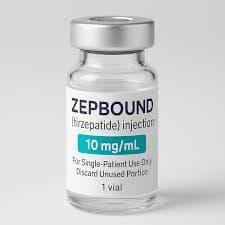
Quickstart Highlights
- Drug class
- GLP-1 / GIP dual receptor agonist
- Route
- Subcutaneous injection
- Schedule
- Weekly subcutaneous injection
- Evidence score
- 88
Quickstart highlights
- 💉Subcutaneous injection
- 🔬GLP-1 / GIP dual receptor agonist
- 🖊️Pre-filled autoinjector pen
- 📋Prescription required
How this works
Mechanism of action and pharmacokinetic profile from published data.
Tirzepatide is a dual agonist at both the GLP-1 (glucagon-like peptide-1) and GIP (glucose-dependent insulinotropic polypeptide) receptors. GIP is the other major incretin hormone; activating it alongside GLP-1 appears to produce additive effects on appetite suppression, energy expenditure, and fat metabolism. In clinical trials, tirzepatide has produced larger weight reductions than any previously approved single-receptor GLP-1 agonist. The 10 mg and 15 mg doses used in Zepbound are approved for chronic weight management.
Half-life
5 days
Tmax
2 days
Duration of action
7 days
- Time to peak (Tmax)
- 8–72 hours after a subcutaneous injection.
- Clearance
- Degraded via proteolytic pathways; renal and hepatic dose adjustments are not required for mild-to-moderate impairment.
- Elimination half-life
- Approximately 5 days, supporting once-weekly subcutaneous dosing.
- Bioavailability
- ~80% bioavailability after subcutaneous injection. Highly bound to albumin, which contributes to the long half-life.
Injection guide
Supplies, step-by-step technique, safety notes, and AU sharps disposal.
Dose escalation phases
Standard Zepbound escalation
| Phase | Dose | Frequency | Guidance |
|---|---|---|---|
| Weeks 1-4 Week 1-4 | 2.5 mg | once weekly | Tolerability initiation dose. Do not skip the initiation step. |
| Weeks 5-8 Week 5-8 | 5 mg | once weekly | First labelled treatment dose. Hold longer if tolerability requires, under prescriber guidance. |
| Weeks 9-12 Week 9-12 | 7.5 mg | once weekly | Intermediate escalation step. Escalate in 2.5 mg increments no faster than every 4 weeks. |
| Weeks 13-16 Week 13-16 | 10 mg | once weekly | Maintenance option. Prescriber may maintain at this dose if effective and tolerated. |
| Weeks 17-20 Week 17-20 | 12.5 mg | once weekly | Intermediate escalation step before 15 mg. Escalate only if additional response is needed and tolerated. |
| Week 21 onward Week 21+ | 15 mg | once weekly | Highest labelled maintenance option. Dose may be lower if response and tolerability support it. |
Supplies needed
- ◦Your prescribed Mounjaro/Zepbound autoinjector pen (correct dose) — Each pen is single-use and contains a fixed dose (2.5, 5, 7.5, 10, 12.5, or 15 mg). Check the dose label matches your prescriber's instructions.
- ◦Alcohol swab
- ◦Sharps disposal container
Step-by-step
- 1Wash your hands thoroughly
- 2Remove the pen from the fridge 30 minutes before use
Room-temperature injection is more comfortable. Do not warm the pen in a microwave or hot water.
- 3Check the pen
Look through the inspection window — the liquid should be clear and colourless. Check the expiry date on the label. Do not use if cloudy, discoloured, or if particles are present.
- 4Peel off the base cap label and remove the base cap
Pull the base cap straight off and discard — do not twist. You will see the needle inside.
- 5Choose and clean your injection site
Abdomen (5 cm from navel), upper thigh, or upper arm. Rotate sites each week. Wipe with an alcohol swab and let dry completely.
- 6Place the pen flat against your skin
Hold the pen so the clear base is flush against the injection site at 90°. Do not angle it.
- 7Press the button and hold
Press the injection button firmly. You will hear two clicks: the first click signals the injection has started; hold until the second click, then hold for an additional 5 seconds. The yellow indicator in the inspection window confirms the full dose was delivered.
- 8Lift the pen straight away from the skin
The needle retracts automatically — you will not see the needle after use.
- 9Dispose of the entire pen in your sharps container
This is a single-use pen — the entire pen goes into the sharps container after one injection.
Important notes
- !Never inject into a vein or muscle
- !This pen is single-use only — discard after one injection
Unlike some pens, Mounjaro and Zepbound pens are not multi-dose. Attempting to re-use will not deliver a full dose.
- !Rotate injection sites each week
- !Do not inject into scar tissue, bruises, or broken skin
- !If you miss a dose by more than 4 days (Mounjaro) or 5 days (Zepbound), skip and resume on your next scheduled day
- !Tell all healthcare providers you are using this medicine
Slowed gastric emptying is relevant for surgical preparation and oral medicine absorption.
Sharps disposal
- ◦Place the entire used pen in a sharps container — The auto-retracted needle is still sharp inside the pen. The full pen must go into the sharps container — not general waste.
- ◦NestSafe sharps mail-back (Australia) — free kit from participating pharmacies
- ◦EnviroSafe mail-back (Australia)
- ◦Community pharmacy drop-off
Your journey
Where you are in a typical protocol, and what one dose cycle looks like. Educational — your prescriber tailors the plan to you.
Protocol timeline
Maintenance phase
Weeks 21+every 7dWhat to expect: Weight may continue to reduce gradually or stabilise — both are expected outcomes, GI side effects typically reduce over time at a stable dose, Appetite regulation becomes part of the new normal for most people, Ongoing metabolic benefits (blood glucose, cardiovascular risk markers) may continue to accrue
Focus on: Maintain consistent weekly injection routine, Continue regular check-ins with your prescriber — at least every 3 months, Sustain lifestyle habits (nutrition, movement, sleep) that support your progress, Do not alter your dose or frequency without speaking to your prescriber
Common adjustments: Some people are maintained at 10 mg or 15 mg depending on tolerability and clinical goals, Dose adjustments (up or down) should only be made in consultation with your prescriber
Starter phase
Weeks 1–42.5 mgevery 7dWhat to expect: Body adjusting to the medication — side effects are most commonly noticed during this phase, Mild-to-moderate nausea is common, particularly in the first few days after each injection, Some reduction in appetite may begin, Injection-site reactions (redness, itching, swelling) possible
Focus on: Build a consistent weekly injection routine, Learn to recognise and manage nausea early, Track appetite changes and any side effects, Discuss any concerns with your prescriber before the next escalation
Common adjustments: Eating smaller, more frequent meals to manage nausea, Staying well hydrated, Choosing a consistent injection day each week
First escalation
Weeks 5–85 mgevery 7dWhat to expect: Appetite suppression typically becomes more noticeable, Nausea may recur briefly following the dose increase, Early weight changes may become apparent, Energy levels may fluctuate
Focus on: Monitor how your body responds to the higher dose, Track weight weekly under consistent conditions, Maintain adequate nutrition even with reduced appetite, Report persistent vomiting or inability to keep food down to your prescriber
Common adjustments: Continue small, low-fat meals around the post-dose nausea window, Increase dietary fibre and fluid intake to support bowel regularity, Monitor for constipation — more common as appetite and food intake decrease
Second escalation
Weeks 9–127.5 mgevery 7dWhat to expect: Continued appetite suppression and progressive weight reduction typical, GI side effects (nausea, constipation, indigestion) may increase transiently, Some people notice fatigue or reduced energy, particularly in the early days after dosing
Focus on: Continue weekly weight tracking, Prioritise protein intake to support lean mass, Stay active where possible — physical activity supports the medication's effects on metabolism, Discuss dose comfort and tolerability with your prescriber
Common adjustments: Proactive constipation management (hydration, fibre, movement), Avoid large, high-fat or high-sugar meals, Consider timing of the injection relative to social eating events
Third escalation
Weeks 13–1610 mgevery 7dWhat to expect: This is an approved maintenance dose for chronic weight management, Significant appetite suppression expected, Weight reduction typically continues; individual response varies, GI side effects may recur briefly with escalation
Focus on: Reassess tolerability with your prescriber, Ensure nutritional adequacy — consider a dietitian review if appetite is markedly reduced, Maintain hydration and bowel habits diary if GI symptoms are ongoing, Clarify with your prescriber whether further escalation to 15 mg is planned
Common adjustments: Structured meal timing helps manage very low appetite, Protein-first eating approach recommended to preserve lean mass, Some people remain at this dose long-term if well tolerated
Maximum dose escalation
Weeks 17–2015 mgevery 7dWhat to expect: Maximum approved dose for Zepbound — produces the greatest average weight reduction in clinical trials, Appetite suppression at its most pronounced, GI side effects may recur transiently; typically settle within 1–2 weeks, Ongoing weight changes continue over subsequent months
Focus on: Work with your prescriber to confirm this is the right long-term dose for you, Continue tracking weight, energy, and GI symptoms, Plan regular check-ins with your prescriber and, where available, a dietitian, Understand that long-term use is expected — this is a chronic weight management medicine
Common adjustments: Deliberate meal planning to ensure adequate caloric and protein intake, Increased vigilance for constipation, reflux, or persistent nausea
One dose cycle at a glance
Population typicals, in hours from your dose — individual experience varies.
Onset
8 h
Peak effect
8–72 h
Appetite effect
24–168 h
Nausea risk
4–72 h
Constipation risk
24–168 h
Coverage fades after
168 h
Tirzepatide has an approximate half-life of 5 days (~120 hours), supporting once-weekly dosing with sustained coverage across the full 7-day interval. Peak plasma concentration (tmax) occurs 8–72 hours post-injection. Nausea risk is highest in the first 24–72 hours post-dose and on escalation weeks. Appetite suppression and constipation risk extend across the full weekly cycle. All windows are population-typical estimates derived from PK data in the prescribing information; individual experience will vary.
Clinical Benefits & Side Effects
Observed outcomes, adverse effects, and lifecycle considerations from published trial data.
Benefits
Starting Zepbound
Zepbound begins at 2.5 mg weekly for 4 weeks — a tolerability step, not the therapeutic dose. Most people do not notice significant appetite suppression at this dose.
First injection — welcome to the journey
You've taken your first dose — well done. This week is all about getting comfortable with the injection process and paying attention to how your body responds. Mild nausea, fatigue, or a reduced appetite may start to appear, but many people feel little change at all in week one.
Body begins adjusting to the medication
Side effects like nausea, bloating, or loose stools may become more noticeable this week as your body continues to adjust. These feelings are usually temporary and tend to be most intense in the first few weeks. Eating smaller meals and staying well hydrated can make a real difference.
Navigating early side effects
Week three can feel like the toughest stretch for some people — nausea and food aversions may still be present. You may not see any change on the scales yet, and that is completely normal at this early stage. Focus on building small, sustainable habits rather than looking for dramatic results.
Completing your first month — stay the course
You've completed your first month on tirzepatide — a genuine milestone. Side effects often begin to ease around this point, though they can still come and go. Some people notice a small shift in appetite or weight, but others won't yet — both experiences are valid and expected.
First dose escalation to 5 mg
The dose increases to 5 mg at week 5, held for 4 weeks. Nausea or mild GI effects may appear around escalation steps — they usually settle within 1–2 weeks.
Dose escalation begins — a new phase
If your prescriber has increased your dose, you may notice side effects returning or intensifying briefly as your body adapts to the higher level — follow your prescriber's instructions on how to manage this step up. Appetite suppression often becomes more noticeable around this time, which may make eating enough protein a conscious effort.
Appetite suppression becoming more noticeable
Many people find their hunger feels genuinely different this week — food may be less appealing, portions may feel like too much, and the urge to snack can reduce significantly. This is the medication working, but be mindful to still eat regular, nourishing meals so your body gets adequate fuel and protein.
Side effects
Reported in weight-loss trials; believed to be related to rapid weight loss rather than the drug itself
~35% at 15 mg; most common during dose escalation
- Eat smaller, slower meals; choose bland lower-fat foods during escalation; avoid lying down soon after eating.Seek help: Contact your prescriber if nausea is severe, persistent, or prevents eating and drinking.
Reported; dose-related
~25%
- Increase fluids, fibre-rich foods, and gentle movement; consider pharmacist advice for a short-term stool softener if needed.Seek help: Contact a clinician for severe abdominal pain, no bowel movement for several days, or vomiting with constipation.
Frequently reported — often the intended effect
Mild; generally transient
- Rotate sites, let alcohol dry before injecting, and avoid bruised, scarred, or hardened skin.Seek help: Seek advice for spreading redness, warmth, pus, fever, or severe pain.
~30%
- Prioritise fluids and electrolytes; avoid alcohol, greasy meals, and very high-sugar drinks until symptoms settle.Seek help: Seek help if diarrhoea is severe, bloody, accompanied by fever, or causes dehydration.
~25%
- Pause solid food briefly, sip fluids, and restart bland foods once settled; do not escalate dose while vomiting persists.Seek help: Seek urgent advice for repeated vomiting, dehydration, or inability to keep fluids down.
Small average increase across dose arms
~20%
Lifecycle factors
GI side effects peak during dose escalation
In SURMOUNT-1, discontinuation due to GI events was ~4–7%. Most GI adverse events were mild-to-moderate and resolved. If nausea or vomiting is severe or lasts more than a few days at a new dose, contact your prescriber — a dose hold is preferable to discontinuation.
Tell every healthcare provider you are using Zepbound
Delayed gastric emptying affects preparation for surgical procedures, anaesthesia, and the timing of some medications. Always declare it before any procedure, even a dental extraction.
Manage nausea with cool, bland, and small
On days when nausea is at its worst, the three words to remember are: **cool, bland, and small**. Cool or room-temperature foods (like crackers, plain rice, banana, or a small bowl of oats) are often better tolerated than hot, rich, or strongly flavoured meals. Eating in a calm, upright position and waiting 20–30 minutes before lying down can also help significantly.
Important note
This content is intended for therapeutic educational purposes only and does not constitute medical advice, diagnosis, or treatment. All information presented is based on published clinical trial data. Always follow your prescriber's instructions.
Nutrition & practical guidance
Food, hydration, and adherence tips compiled from trial data and clinical companion content.
Food and hydration
✅ Prefer
⚠️ Limit
Adherence tips
Rotate your injection sites consistently
Tirzepatide is injected subcutaneously — into the fatty tissue of your abdomen, thigh, or upper arm. **Rotate your injection site each week** to prevent skin irritation or lumps from building up in one spot. Keep a simple note or pattern (e.g., left abdomen → right abdomen → thigh) so you always know where you injected last. Follow your prescriber's instructions on technique if you're unsure.
Let the pen reach room temperature before injecting
Injecting medication that is straight from the fridge can sting more and feel uncomfortable. Remove your pen from the fridge **15–30 minutes before your scheduled injection time** and let it come to room temperature. Do not warm it under hot water or in a microwave — simply leaving it out is sufficient.
The escalation schedule exists for a reason
Tirzepatide has six dose steps before reaching 15 mg. Each step is held for 4 weeks to let your GI system adapt. Skipping steps significantly increases nausea and vomiting risk. Your prescriber may keep you at a lower dose if it achieves your goals — higher is not automatically better.
Pick an injection day and stick to it
Tirzepatide is a **once-weekly injection**, so choosing a consistent day — such as Sunday morning or Wednesday evening — makes it much easier to remember and build into your routine. Setting a recurring phone reminder can help. Follow your prescriber's instructions if you ever need to adjust the timing of a dose.
Protein targets matter more as weight loss accelerates
SURMOUNT-1 participants losing 20%+ of body weight were also losing lean mass. Aim for 1.2–1.6 g protein per kg body weight daily. If appetite is very low, protein supplements (shakes, Greek yoghurt, cottage cheese) help hit the target without large portions.
Consider injecting in the evening to sleep through side effects
Many people find that injecting **before bed** means that the peak of any nausea or fatigue happens overnight while they're asleep, making the next day easier to manage. This is a personal preference — experiment to find what works best for your body and lifestyle.
Start every morning with a full glass of water
Before coffee, before breakfast — make **250–300 mL of still water** the very first thing you drink each day. This jumpstarts your hydration, supports digestion, and helps counteract the tendency to forget fluids when appetite and thirst cues are suppressed. Keep a full glass on your bedside table the night before as a visual reminder.
Inject on the same day each week
If you need to change your injection day, take the dose on the new day and continue from there — as long as the gap between doses is at least 3 days. Do not double-dose.
Weight loss may continue slowly past the expected plateau
SURMOUNT trial data showed weight loss curves that had not fully flattened by 72 weeks at the highest doses. Sustained treatment produced continued, slower reduction for many participants.
Sip fluids steadily — don't gulp large amounts with meals
Drinking large volumes of fluid during a meal can contribute to bloating and nausea, especially in the early weeks. Instead, **sip water or herbal tea slowly throughout the day** and take small sips with meals rather than drinking a full glass all at once. A 500 mL reusable water bottle carried with you is a practical way to stay on track.
Eat protein first at every meal
When appetite is suppressed, it's easy to fill up on carbohydrates or skip meals altogether — both of which can reduce protein intake to an unhelpful level. Make it a habit to **eat your protein source first** at every meal — whether that's eggs, chicken, fish, legumes, or Greek yoghurt. This helps protect muscle mass and keeps you fuller for longer on smaller portions.
Don't skip meals — eat small portions on a schedule
Reduced hunger is a feature of tirzepatide, but skipping meals entirely can lead to fatigue, muscle loss, and rebound overeating later. Aim for **3 small, structured meals per day** — even if portions feel tiny. Set a reminder if needed. Think of it as fuelling your body with intention, not eating by hunger alone.
Start with gentle movement, not intense exercise
In the early weeks, your body is adjusting and energy levels may be lower than usual — this is not the time to launch into a demanding gym program. Start with **20–30 minute walks** a few times per week, which support weight management, improve mood, and are easy to sustain. Gradually build intensity as you feel more settled, and aim for at least 150 minutes of moderate activity per week over time.
Include resistance exercise to protect muscle
Weight loss on tirzepatide can include some muscle loss alongside fat loss if resistance exercise isn't part of your routine. **Bodyweight exercises, resistance bands, or light weights** 2–3 times per week can help preserve and build muscle. Even simple exercises at home — squats, wall push-ups, lunges — make a meaningful difference over time.
Prioritise 7–9 hours of sleep each night
Poor sleep can increase hunger hormones, reduce motivation, and impair the body's ability to manage weight effectively — even while on medication. Aim for **7–9 hours** of consistent, quality sleep by keeping a regular bedtime, limiting screen time in the hour before bed, and keeping your bedroom cool and dark. Sleep is one of the most underrated tools in your toolkit.
Track non-scale victories, not just your weight
The number on the scale is just one measure of progress — and it can fluctuate daily based on fluid, food, and other factors. Keep a simple journal or notes app entry each week to record **non-scale victories**: how your clothes fit, your energy levels, how many flights of stairs you can climb, your sleep quality, or how your relationship with food is shifting. These changes are real and meaningful.
Prepare for the early weeks to be challenging
It's important to be honest with yourself: **the first four to six weeks can be hard**. Nausea, fatigue, and the absence of visible results can make it tempting to feel discouraged. Having realistic expectations from the start — and reminding yourself that these early weeks are temporary — can make a significant difference to how you feel emotionally. Connecting with a supportive community or speaking to your prescriber when things feel tough is always a good idea.
Daily companion
Practical playbooks for managing symptoms, eating around side effects, tracking what matters, and reporting back to your clinician.
Symptom playbooks
Nausea
Minimal nausea
Nutrition: Eat at regular intervals — avoid going too long without food, Choose bland, easy-to-digest foods (e.g. plain crackers, toast, rice, banana), Eat slowly and chew thoroughly, Keep portion sizes small
Hydration: Sip water consistently throughout the day, Aim for at least 2 L of fluid daily
Avoid: Large meals, High-fat or greasy foods, Spicy foods, Eating immediately before lying down
Mild to moderate nausea
Nutrition: Reduce meal size further — small amounts every 2–3 hours rather than full meals, Prioritise easy-to-digest, low-fat, low-odour foods, Cold or room-temperature foods may be easier to tolerate than hot meals, Ginger-based foods or tea may offer some comfort, Try eating your main meal earlier in the day when nausea may be lower
Hydration: Sip fluids in small amounts frequently to maintain hydration, If plain water is poorly tolerated, try diluted clear fluids or ice chips, Avoid carbonated drinks that may worsen bloating
Avoid: High-fat meals, Fried or greasy foods, Alcohol, Strong-smelling foods, Eating large volumes at once, Lying flat immediately after eating
⚠ If nausea is persisting for more than 3–4 days after a dose or escalation, contact your prescriber.
Moderate to severe nausea
Nutrition: Focus only on what you can tolerate — clear liquids and small amounts of bland solids, Do not force eating if actively nauseated; prioritise staying hydrated, Return to small, frequent meals once nausea begins to ease
Hydration: Oral rehydration solutions (e.g. hydralyte) if unable to tolerate water well, Sip no more than 30–60 mL at a time, Contact your prescriber if you cannot maintain adequate fluid intake
Avoid: All high-fat, spicy, or strongly flavoured foods, Alcohol, Caffeine, Any food that worsens symptoms
⚠ Contact your prescriber promptly. Severe or prolonged nausea at this level warrants clinical review — do not wait until your next scheduled appointment.
Severe nausea or vomiting
Nutrition: Do not attempt solid food while actively vomiting, Try ice chips or tiny sips of water only, Seek medical advice before attempting to eat
Hydration: Dehydration risk is high — seek medical attention if unable to keep any fluids down for more than 4–6 hours
Avoid: All solid food until vomiting is controlled, Any attempt to self-manage without clinical guidance at this severity
⚠ Seek urgent medical attention if vomiting is severe, you cannot keep fluids down, or you develop signs of dehydration (dizziness, very dark urine, rapid heart rate) or severe abdominal pain.
Constipation
Minimal constipation
Nutrition: Maintain a fibre-rich diet: vegetables, fruit, wholegrains, legumes, Regular mealtimes help support bowel regularity
Hydration: Aim for at least 2 L of fluid daily — fibre works best when well hydrated
Avoid: Low-fibre, highly processed foods, Dehydration
Mild to moderate constipation
Nutrition: Actively increase dietary fibre — aim for 25–30 g/day from whole food sources, Include cooked vegetables, prunes, kiwifruit, and oat-based foods, Add ground flaxseed or psyllium to meals if tolerated, Regular physical activity (even walking) supports bowel motility
Hydration: Increase fluid intake above your usual baseline, A glass of warm water in the morning may help stimulate bowel movement
Avoid: White bread, white rice, and other low-fibre refined carbohydrates in excess, Excessive dairy, which can worsen constipation in some people, Dehydration
⚠ If constipation persists beyond 3–4 days without improvement, discuss with your prescriber. An over-the-counter osmotic laxative (e.g. macrogol/polyethylene glycol) may be appropriate — always consult your prescriber or pharmacist first.
Significant constipation
Nutrition: Continue high-fibre foods; however, fibre alone may not resolve established constipation at this level, Focus on hydration and physical movement as primary strategies alongside any recommended pharmacological support
Hydration: Prioritise fluid intake — at least 2.5–3 L/day, Warm fluids in the morning may assist bowel stimulation
Avoid: Further reducing food intake, which may worsen constipation, Ignoring the symptom — prolonged constipation can cause complications
⚠ Contact your prescriber. At this level, a pharmacological intervention (e.g. osmotic laxative) is likely needed. Do not self-prescribe stimulant laxatives without guidance.
Severe constipation
Nutrition: Soft, easily digestible foods only to avoid added discomfort, Do not attempt high-fibre bulking foods if experiencing significant bloating or pain
Hydration: Maintain hydration — sip fluids regularly
Avoid: High-fibre bulking foods if associated with significant abdominal pain or bloating at this level
⚠ Seek urgent medical attention if you have not had a bowel movement for more than 5–7 days, or if constipation is accompanied by severe abdominal pain, bloating, or vomiting.
Appetite
Very low appetite
Nutrition: Eat small amounts frequently — do not wait for hunger cues that may not come, Prioritise protein at every eating occasion (eggs, Greek yoghurt, legumes, lean meat, fish), Nutrient-dense, calorie-efficient foods preferred: nut butters, avocado, cheese, fortified foods, Set a meal schedule rather than relying on appetite, Consider a dietitian review if very low appetite is sustained
Hydration: Drink fluids between meals rather than with food to preserve limited stomach capacity for nutrition, Aim for 2 L/day minimum
Avoid: Skipping meals entirely over multiple days without clinical guidance, Filling limited appetite capacity with low-nutrient foods or drinks, Alcohol
⚠ If you are consistently unable to eat adequate amounts over several days, notify your prescriber. Sustained very low intake can affect energy, muscle mass, and wellbeing.
Reduced appetite
Nutrition: Focus on quality over quantity — each small meal should contain protein and vegetables, Use smaller plates and bowls to make portions feel manageable, Eat your most nutritious meal when appetite is at its best (often earlier in the day for many people)
Hydration: Drink fluids between, not during, meals to maximise food intake
Avoid: Ultra-processed snack foods that take up appetite capacity without nutritional value
Normal to strong appetite
Nutrition: Use the appetite window to ensure nutritional needs are met, Focus on balanced meals with adequate protein, fibre, and vegetables, Mindful eating — eat slowly and stop before feeling uncomfortably full to avoid worsening nausea
Hydration: Maintain regular fluid intake throughout the day
Avoid: Very large single meals that may trigger nausea or reflux, High-fat, fried, or sugary foods that worsen GI side effects
Food guidance by situation
Prefer: Plain crackers or dry toast, Plain rice or plain pasta, Banana, apple (peeled), or cooked fruit, Chicken broth or clear soups, Ginger tea or ginger biscuits (low sugar), Cold or room-temperature foods
Limit: Moderate amounts of cooked vegetables (avoid raw in high quantities), Low-fat dairy in small quantities if tolerated
Avoid: Fried and greasy foods, High-fat meals, Spicy or strongly flavoured foods, Alcohol, Carbonated drinks, Large meal volumes, Hot, strong-smelling foods
GLP-1 and GIP receptor activation slows gastric emptying; high-fat and large-volume meals compound nausea by further delaying stomach emptying during the post-dose nausea window.
Prefer: High-fibre vegetables (broccoli, spinach, carrots, Brussels sprouts), Whole grains (oats, wholegrain bread, brown rice, quinoa), Legumes (lentils, chickpeas, black beans), Prunes, kiwifruit, pears, figs, Ground flaxseed or psyllium husk, Plenty of water and warm fluids
Limit: Refined carbohydrates (white bread, white rice), Excessive dairy (cheese, full-cream milk)
Avoid: Low-fibre, highly processed foods, Dehydrating beverages (high alcohol intake)
Reduced gastric motility and lower overall food intake from GLP-1/GIP agonism increase constipation risk. Adequate dietary fibre and fluid intake are the primary non-pharmacological strategies.
Prefer: Protein-rich foods: eggs, Greek yoghurt, cottage cheese, legumes, lean meat, fish, tofu, Nutrient-dense, calorie-efficient options: nut butters, avocado, cheese, smoothies with protein, Fortified foods (e.g. fortified plant milks, fortified cereals), Small, flavourful meals to maximise appeal
Limit: Low-nutrient-density foods that fill limited capacity without nutritional value
Avoid: Skipping all eating occasions for extended periods without prescriber guidance, Alcoholic beverages (high calorie but poor nutrient density and can worsen GI effects)
Very low appetite driven by GLP-1/GIP agonism reduces total intake. When intake is limited, every eating occasion must be nutritionally productive to maintain muscle mass and micronutrient status.
Prefer: Bland, easy-to-digest meals for 2–3 days post-injection, Small, frequent eating occasions rather than three large meals, Plain crackers, rice, cooked vegetables, lean protein, Gentle hydration with plain water or diluted fluids
Limit: Portion sizes — keep meals notably smaller than usual for the first 2–3 days, Caffeine — may worsen nausea in some people
Avoid: High-fat or fried meals in the 48–72 hours after a dose escalation, Alcohol in the days immediately following a dose increase, Large social meals or restaurant eating in the first 2 days post-escalation where possible
GI side effects are most pronounced during escalation weeks due to the step-up in receptor activation. Proactive dietary caution during this window reduces severity of nausea and GI discomfort.
Prefer: Small amounts of bland food every 2–3 hours, Room-temperature or cold foods, Foods with low odour and low fat content, Ginger tea or ginger-based foods, Plain salty crackers to settle the stomach
Limit: Overall meal size — smaller is better during hours 4–72 post-dose
Avoid: High-fat, fried, or greasy foods, Strong-smelling meals, Alcohol, Eating to the point of fullness
The post-dose nausea window aligns with the tmax period (8–72 hours), during which drug plasma concentration is rising and gastric emptying slowing most significantly.
Prefer: Small, frequent, low-fat meals, Upright posture for at least 30–60 minutes after eating, Low-acid foods: oats, vegetables, lean protein, wholegrains, Herbal teas (non-mint varieties)
Limit: Caffeine, Acidic foods: tomatoes, citrus, vinegar-based dressings, Chocolate, Mint
Avoid: Lying down within 2–3 hours of eating, Alcohol, Carbonated drinks, Spicy foods, Large, high-fat meals
Slowed gastric emptying from GLP-1/GIP agonism can worsen reflux and regurgitation, particularly when large meals or reflux-triggering foods are consumed.
What to track
Suggested check-in cadence: dose day plus 2.
How would you rate your nausea over the past 24 hours? (0 = none, 10 = worst imaginable)
scale 0 10
How many times have you vomited in the past 24 hours? (episodes)
integer
How would you rate your appetite today? (0 = no appetite at all, 10 = normal appetite for you)
scale 0 10
How much is constipation bothering you today? (0 = not at all, 10 = severely)
scale 0 10
How many days has it been since your last bowel movement? (days)
integer
How would you rate your energy levels today? (0 = no energy at all, 10 = full energy)
scale 0 10
Approximately how many litres of fluid have you drunk today? (L)
decimal
What is your weight this morning (before eating, after using the bathroom, in minimal clothing)? (kg)
decimal
Did you notice any redness, swelling, itching, or pain at your injection site?
boolean
Do you have any abdominal (stomach) pain today? (0 = none, 10 = severe)
scale 0 10
Take this to your appointment
Medication context: GLP-1 / GIP dual receptor agonist (tirzepatide — Zepbound)
Key metrics: Weekly weight (kg) — trend over past 4 weeks, Current tirzepatide dose (mg) and weeks at current dose, Average daily fluid intake (L), Nausea severity scores (0–10) — peak and average post-dose, Constipation severity scores (0–10) — average over past week, Days since last bowel movement (if constipation reported), Number of vomiting episodes per week, Energy levels (0–10) — average over past week, Injection-site reactions (yes/no and description), Abdominal pain episodes — frequency and severity (0–10)
Relevant symptoms: Nausea, Vomiting, Constipation, Diarrhoea, Abdominal pain or discomfort, Reflux or heartburn, Injection-site reactions (redness, swelling, bruising, pain), Fatigue or low energy, Dizziness or light-headedness, Changes in vision, Neck swelling or lump, Signs of allergic reaction, Low appetite / inadequate oral intake, Signs of dehydration
Safety and interactions
Share this information with your prescriber for personalised care decisions.
Red-flag symptoms — seek urgent care
- Severe or persistent abdominal painEmergencySeek emergency medical attention immediately if you have severe pain in your abdomen (stomach area) that does not go away, especially if it radiates to your back or is accompanied by vomiting. This may be a sign of pancreatitis, a rare but serious condition.
- Symptoms of a serious allergic reaction (anaphylaxis)EmergencyCall 000 immediately if you develop swelling of the face, lips, tongue or throat; difficulty breathing; rapid heartbeat; or widespread rash after your injection. These may be signs of a serious allergic reaction.
- Neck lump, difficulty swallowing, or hoarse voiceUrgent careContact your prescriber urgently or go to an emergency department if you notice a lump or swelling in your neck, have difficulty swallowing, or develop a persistently hoarse voice. These may be early signs of thyroid changes and require prompt assessment.
- Signs of dehydrationUrgent careSeek urgent medical care if you experience dizziness, very dark urine, rapid heartbeat, or confusion — particularly if you have been vomiting or unable to drink fluids. Dehydration can develop quickly and lead to kidney complications.
- Persistent vomiting — unable to keep fluids downUrgent careContact your prescriber promptly or seek urgent care if you have been vomiting repeatedly and cannot keep fluids down for 4 or more hours. Do not wait until your next scheduled appointment.
- Severe constipation with abdominal pain or bloatingContact prescriberContact your prescriber if you have not had a bowel movement for 5 or more days, or if constipation is accompanied by severe abdominal pain, bloating, or vomiting. This may require medical management.
- Sudden changes in visionContact prescriberContact your prescriber if you notice sudden changes in your vision. People with a history of diabetic retinopathy should be closely monitored, as rapid changes in blood glucose levels can occasionally affect the eyes.
- Injection-site reaction with spreading redness or warmthContact prescriberContact your prescriber if the area around your injection site becomes increasingly red, warm, swollen, or painful over 24–48 hours, or if you develop a fever. This may indicate an infection requiring assessment.
- Symptoms of low blood glucose (hypoglycaemia) — if also taking insulin or sulfonylureasContact prescriberIf you are also using insulin or a sulfonylurea, be alert for signs of low blood glucose: shakiness, sweating, rapid heartbeat, confusion, or sudden hunger. Follow your prescriber's hypoglycaemia action plan. Tirzepatide alone has a low risk of hypoglycaemia, but the risk increases when combined with other glucose-lowering medicines.
- Severe fatigue, confusion, or inability to function normallyContact prescriberContact your prescriber if you experience significant ongoing fatigue, confusion, or feel unable to carry out your daily activities. These symptoms may indicate inadequate nutrition, dehydration, or another issue requiring assessment.
- Thyroid C-cell tumour warning. Do not use Zepbound with a personal or family history of medullary thyroid carcinoma or MEN2.
- Pancreatitis or gallbladder symptoms. Seek urgent medical advice for severe persistent abdominal pain, pain radiating to the back, fever, jaundice, or repeated vomiting.
- Possible thyroid tumours. Tirzepatide has caused thyroid tumours, including medullary thyroid carcinoma (MTC), in animal studies. Do not use Zepbound if you or a blood relative have ever had MTC or Multiple Endocrine Neoplasia syndrome type 2 (MEN 2). Tell your prescriber right away if you notice a lump or swelling in your neck, hoarseness, trouble swallowing, or shortness of breath.
- Possible thyroid tumours (medullary thyroid carcinoma). In animal studies, tirzepatide caused thyroid C-cell tumours. It is not known whether this risk applies to humans. Do not use Zepbound if you or a blood relative has ever had medullary thyroid carcinoma (MTC) or Multiple Endocrine Neoplasia syndrome type 2 (MEN2). Tell your prescriber straight away if you notice a lump or swelling in your neck, hoarseness, difficulty swallowing, or shortness of breath.
- Pancreatitis symptoms. Severe, persistent pain in your abdomen or back — with or without vomiting — may be a sign of pancreatitis (inflammation of the pancreas). Stop using Zepbound and contact your prescriber or seek emergency care immediately if this occurs.
- Severe allergic reaction. Serious allergic reactions (including anaphylaxis and angioedema) have been reported. Seek emergency care immediately if you experience swelling of your face, lips, tongue, or throat; difficulty breathing; severe rash; or a rapid heartbeat after an injection.
- Serious allergic reaction. Severe allergic reactions (anaphylaxis) and angioedema (swelling of the face, lips, tongue, or throat) have been reported with tirzepatide. Seek emergency care immediately if you develop difficulty breathing, swelling of the face or throat, a fast heartbeat, or a severe rash after your injection.
- Gallbladder problems. GLP-1 / GIP receptor agonists have been associated with gallstones and gallbladder inflammation (cholecystitis). Tell your prescriber right away if you develop sudden pain in the upper right abdomen, fever, or yellowing of the skin or eyes.
Structured warnings
Thyroid C-cell tumour warning
Do not use Zepbound with a personal or family history of medullary thyroid carcinoma or MEN2.
Pancreatitis or gallbladder symptoms
Seek urgent medical advice for severe persistent abdominal pain, pain radiating to the back, fever, jaundice, or repeated vomiting.
Pregnancy planning
Weight-management tirzepatide is not recommended during pregnancy. Discuss stopping before planned pregnancy with the prescriber.
Possible thyroid tumours
Tirzepatide has caused thyroid tumours, including medullary thyroid carcinoma (MTC), in animal studies. Do not use Zepbound if you or a blood relative have ever had MTC or Multiple Endocrine Neoplasia syndrome type 2 (MEN 2). Tell your prescriber right away if you notice a lump or swelling in your neck, hoarseness, trouble swallowing, or shortness of breath.
Possible thyroid tumours (medullary thyroid carcinoma)
In animal studies, tirzepatide caused thyroid C-cell tumours. It is not known whether this risk applies to humans. Do not use Zepbound if you or a blood relative has ever had medullary thyroid carcinoma (MTC) or Multiple Endocrine Neoplasia syndrome type 2 (MEN2). Tell your prescriber straight away if you notice a lump or swelling in your neck, hoarseness, difficulty swallowing, or shortness of breath.
Pancreatitis symptoms
Severe, persistent pain in your abdomen or back — with or without vomiting — may be a sign of pancreatitis (inflammation of the pancreas). Stop using Zepbound and contact your prescriber or seek emergency care immediately if this occurs.
Severe allergic reaction
Serious allergic reactions (including anaphylaxis and angioedema) have been reported. Seek emergency care immediately if you experience swelling of your face, lips, tongue, or throat; difficulty breathing; severe rash; or a rapid heartbeat after an injection.
Serious allergic reaction
Severe allergic reactions (anaphylaxis) and angioedema (swelling of the face, lips, tongue, or throat) have been reported with tirzepatide. Seek emergency care immediately if you develop difficulty breathing, swelling of the face or throat, a fast heartbeat, or a severe rash after your injection.
Gallbladder problems
GLP-1 / GIP receptor agonists have been associated with gallstones and gallbladder inflammation (cholecystitis). Tell your prescriber right away if you develop sudden pain in the upper right abdomen, fever, or yellowing of the skin or eyes.
Dehydration from nausea, vomiting, or diarrhoea
Nausea, vomiting, and diarrhoea are common, especially early in treatment and after each dose increase. Severe fluid loss can affect kidney function. Drink fluids regularly and let your prescriber know if you cannot keep fluids down.
Low blood sugar (hypoglycaemia) when used with insulin or sulfonylureas
When Zepbound is used alongside insulin or a sulfonylurea, the risk of low blood sugar is increased. Symptoms include shakiness, sweating, confusion, and a rapid heartbeat. Your prescriber may adjust the dose of your other diabetes medicines when starting Zepbound.
Diabetic retinopathy changes
Changes in blood sugar levels may worsen diabetic retinopathy in people who already have this eye condition. Tell your prescriber about any history of retinopathy and report any sudden changes in vision.
Dehydration and kidney effects
Nausea, vomiting, and diarrhoea — especially early in treatment — can cause dehydration, which may affect how well your kidneys work. Drink plenty of fluids, and tell your prescriber if you are unable to keep fluids down or if you notice a significant decrease in urination.
Indication and approval status
Chronic weight management as an adjunct to reduced-calorie diet and increased physical activity.
Adults with obesity or overweight with weight-related comorbidity per label.
Weight-management approval status varies by region and brand availability.
Adults meeting local product information criteria.
Who should not take this
Zepbound is a prescription medicine. Do not use if you have: • A personal or family history of medullary thyroid carcinoma (MTC) • Multiple endocrine neoplasia syndrome type 2 (MEN2) • A known allergy or hypersensitivity to tirzepatide or any ingredient in the product Use with caution (discuss with your prescriber) if you have: • A history of pancreatitis • Diabetic retinopathy • Severe kidney or liver disease • Active or recent eating disorder Not recommended during pregnancy or breastfeeding. Always disclose your full medical history to your prescriber.
Known interactions
- Insulin and insulin secretagogues (e.g. sulfonylureas)significant
Increased hypoglycaemia risk. Prescribers typically reduce insulin or sulfonylurea doses when starting tirzepatide.
- Oral contraceptivesmoderate
Delayed gastric emptying may reduce oral contraceptive absorption around dose escalation. Consider additional non-hormonal contraception.
- Medicines with a narrow therapeutic index (warfarin, anti-epileptics, ciclosporin)moderate
Altered gastric emptying can change drug absorption. Additional monitoring may be warranted.
- Alcoholmoderate
Worsens nausea and dehydration; increases hypoglycaemia risk when combined with insulin or sulfonylureas.
Missed-dose guidance
If a weekly Zepbound dose is missed and it has been 4 days or less, take it as soon as possible.
Resume once-weekly dosing on the regular scheduled day.
If more than 4 days have passed, skip the missed dose.
Do not use two doses within 3 days of each other.
If you miss your weekly dose and your next scheduled dose is more than 4 days (96 hours) away, administer the missed dose as soon as you remember. If your next scheduled dose is within 4 days, omit the missed dose and resume your regular weekly schedule.
After a missed dose, continue injecting on your usual weekly day. Do not administer two doses within 3 days of each other.
If you miss your weekly dose and the next scheduled dose is more than 4 days (96 hours) away, administer the missed dose as soon as you remember. If fewer than 4 days remain until your next scheduled dose, omit the missed dose and resume your regular weekly schedule.
After re-establishing your schedule, continue with your usual weekly injection day. Do not administer two doses within 3 days of each other.
When to seek help
Nausea that is severe, persistent, or prevents adequate fluid intake.
Contact your prescriber before escalating further.
Repeated vomiting, vomiting with dizziness, or inability to keep fluids down.
Seek urgent assessment if dehydration symptoms occur.
Severe persistent abdominal pain, pain radiating to the back, fever, or jaundice.
Seek urgent assessment for pancreatitis or gallbladder disease.
Side-effect timing windows
Population typicals from trial data — individual experience varies.
Nausea
Onset 1–24 h · Peak 24–72 h · Resolves ~14d
Typically peaks 1-3 days post-injection; eases at stable maintenance dose.
Diarrhoea
Onset 4–48 h · Peak 24–96 h · Resolves ~7d
Vomiting
Onset 2–24 h · Peak 24–72 h · Resolves ~7d
Constipation
Onset 24–96 h · Peak 48–168 h · Resolves ~7d
Reported by a substantial proportion of participants in SURMOUNT trials, particularly during initial dose escalation. Adequate fluid and fibre intake may help.
Injection-site reaction
Onset 0.5–4 h · Peak 1–24 h · Resolves ~3d
Typically presents as redness, swelling, or itching at the injection site. Usually mild and resolves within a few days. Site rotation reduces recurrence. Contact your prescriber if the reaction is severe or persistent.
Decreased appetite
Onset 1–24 h · Peak 4–72 h · Resolves —
Intended pharmacodynamic effect; appetite suppression is sustained throughout the dosing interval. Reduced appetite may be more pronounced in the first 1–3 days after each injection.
Approved injection sites
Abdomen
Rotate weekly between abdomen, thigh and upper arm.
Avoid: Avoid skin that is bruised, tender, scarred or hardened.
Thigh
Front of the thigh, midway between hip and knee.
Upper arm
Back of the upper arm; usually needs a helper.
Structured storage
single-dose pen
before use
Refrigerate at 2-8 C
Store in the original carton. Do not use if frozen or if particles/discolouration are present.
single-dose pen
room temperature allowance
Below 30 C
Use within 21 days if stored out of refrigeration.
Do not return to refrigeration after extended room-temperature storage if local instructions advise disposal.
Storage and handling
Store the Zepbound pen in the refrigerator at 2–8°C (36–46°F). • After removal from the fridge: use within 21 days, keeping below 30°C. • Do not freeze — freezing destroys the active molecule. • Store in the original carton to protect from light. • Do not use if the liquid looks cloudy or discoloured.
Research evidence
Published studies, labels, regulator pages, and curated protocol sources connected to this profile.
API source references
Zepbound prescribing information
Eli Lilly. Zepbound (tirzepatide) prescribing information.
Open source ↗Zepbound FDA approval
FDA approval announcement for tirzepatide chronic weight management.
Open source ↗SURMOUNT-1 trial
Jastreboff AM et al. Tirzepatide once weekly for the treatment of obesity. N Engl J Med. 2022.
Open source ↗Randomized Trial of Tirzepatide after Intensive Lifestyle Intervention (SURMOUNT-3)
Human trial · 2023 · Nature Medicine · n=806 · Adults with obesity or overweight plus comorbidity, without type 2 diabetes; after 12-week intensive lifestyle run-in
806 adults who had completed a 12-week intensive lifestyle intervention were randomised to tirzepatide 15 mg weekly or placebo for 72 weeks. Mean total weight loss from before the lifestyle run-in was −26.6% with tirzepatide versus −3.8% with placebo, demonstrating additive effects of combining intensive lifestyle support with pharmacotherapy.
Reported outcomes
- weight_loss: Intensive lifestyle intervention prior to starting tirzepatide amplified total weight loss beyond pharmacotherapy alone. (Secondary)
- weight_loss: Total mean body-weight loss of 26.6% from pre-run-in baseline with tirzepatide 15 mg at 72 weeks, versus 3.8% with placebo. (Primary outcome)
Tirzepatide Once Weekly for the Treatment of Obesity (SURMOUNT-1)
Human trial · 2022 · New England Journal of Medicine · n=2539 · Adults with obesity (BMI ≥30) or overweight (BMI ≥27) with ≥1 weight-related condition, without type 2 diabetes
2,539 adults were randomised to tirzepatide 5, 10, or 15 mg once weekly or placebo for 72 weeks. Mean body-weight change was −15.0%, −19.5%, and −20.9% at 5, 10, and 15 mg respectively, versus −3.1% for placebo. More than 89% of participants on 15 mg achieved ≥5% weight loss. Adverse events were predominantly mild-to-moderate GI events.
Reported outcomes
- responder_rate: More than 89% of participants on 15 mg achieved ≥5% weight loss; 56% achieved ≥20%. (Secondary)
- weight_loss: Mean body-weight reductions of 15.0%, 19.5%, and 20.9% at 5, 10, and 15 mg respectively at 72 weeks, versus 3.1% with placebo. (Primary outcome)
- cardiometabolic: Improvements in waist circumference, blood pressure, lipids, and fasting glucose observed across all dose arms. (Secondary)
Reported dosage
- 5 mg · once weekly subcutaneous · 72 weeks — 5 mg maintenance arm — or escalation step 2 for higher arms.
- 10 mg · once weekly subcutaneous · 72 weeks — 10 mg maintenance arm.
- 2.5 mg · once weekly subcutaneous · 72 weeks — Starting dose for all arms; held 4 weeks as tolerability run-in.
- 15 mg · once weekly subcutaneous · 72 weeks — Highest dose arm in SURMOUNT-1; reached via 2.5→5→7.5→10→12.5→15 mg escalation.
Tirzepatide versus Semaglutide Once Weekly in Patients with Type 2 Diabetes (SURPASS-2)
Human trial · 2021 · New England Journal of Medicine · n=1879 · Adults with type 2 diabetes inadequately controlled on metformin
1,879 adults with type 2 diabetes on metformin were randomised to tirzepatide 5, 10, or 15 mg weekly or semaglutide 1 mg weekly for 40 weeks. HbA1c reductions were −2.01%, −2.24%, and −2.30% for tirzepatide versus −1.86% for semaglutide 1 mg. Body-weight reductions were −7.6, −9.3, and −11.2 kg versus −5.7 kg. All tirzepatide doses were non-inferior; 10 mg and 15 mg were superior to semaglutide.
DOI: 10.1056/NEJMoa2107519 ↗Get the full companion experience in Viora
Week-by-week reminders, food and symptom tracking, and the complete companion guide in one place.
Available on iOS and Android.